
The former mineworkers UK pension boost means eligible members are now receiving an average £100 weekly increase and a £5,500 lump sum, following a major government decision to return billions from pension reserves. This change directly improves retirement income for tens of thousands of former miners and colliery workers across the UK.
This pension uplift has been introduced to address long-standing concerns about fairness and ensure that those who powered the nation receive better financial support.
Key Takeaways:
- Around 40,000 members receive an average £100 weekly increase
- A one-off £5,500 lump sum is being paid, backdated to November 2024
- £2.3 billion has been transferred from government-held reserves
- The uplift represents a 41% increase in pension payments
- Payments arrived just before Christmas, offering immediate financial relief
What Is The Former Mineworkers UK Pension Boost And Why Is It In The News?

The former mineworkers UK pension boost refers to a significant increase in pension payments for members of the British Coal pension schemes. This includes both former miners and workers in supporting roles across collieries.
The announcement gained attention because it marks a major financial correction after decades of debate around pension fairness. The government transferred £2.3 billion from a long-held reserve into the scheme, enabling a 41% increase in payments.
This development is being described as historic due to both its scale and timing. Payments arrived just before Christmas, offering immediate financial relief to pensioners.
Key highlights include:
- Average weekly pension increase of £100
- One-off lump sum payments averaging £5,500
- Backdated payments starting from November 2024
The boost follows earlier reforms to another major scheme and signals that all former British Coal pension members have now received improved terms. It also reflects sustained campaigning and growing public attention on pension inequalities affecting former industrial workers.
Who Qualifies For The UK Mineworkers Pension Increase?
Eligibility for the former mineworkers UK pension boost depends on membership in specific pension schemes linked to the coal industry. The primary beneficiaries are members of the British Coal Staff Superannuation Scheme and the Mineworkers’ Pension Scheme.
This includes a wide range of individuals who contributed to the coal industry over decades, not only those working underground. Many people who worked in support roles are also included.
Eligible groups include:
- Former coal miners across the UK
- Workers in non-mining roles such as engineers, administrators, and canteen staff
- Pensioners and deferred members of the schemes
- Thousands of women who were part of the workforce
In total, around 140,000 people have benefited across both schemes following recent government actions.
Importantly, the scheme recognises contributions from across the workforce. This broader inclusion ensures that those who supported mining operations in different capacities are also rewarded.
The increase applies automatically to qualifying members, meaning no separate application is required. Payments have already begun reaching eligible individuals, making this one of the most immediate pension reforms in recent years.
How Much Will Former Mineworkers Receive From The Pension Boost?

The former mineworkers UK pension boost delivers a meaningful financial increase designed to improve long-term retirement income. This section explains exactly how much you could receive and what it means in practical terms.
What Is The Weekly Pension Increase?
The weekly pension increase is one of the most significant aspects of the reform. Eligible members are receiving an average increase of £100 per week, which represents a 41% uplift in their pension payments.
This increase is applied directly to regular pension income, meaning recipients will see a consistent rise in their weekly finances. For many, this helps cover rising living costs such as heating, food, and essential bills.
Key details include:
- Average increase of £100 per week
- 41% uplift compared to previous payments
- Ongoing increase rather than a temporary benefit
For pensioners on fixed incomes, this type of increase provides greater financial stability and reduces reliance on additional support.
What Is The One-Off Lump Sum Payment?
In addition to the weekly increase, eligible members are receiving a one-off lump sum payment averaging £5,500. This payment is backdated to November 2024, when the pension changes were first implemented.
This lump sum reflects missed income from previous months and ensures fairness in the transition to higher payments.
Important points include:
- Average lump sum of £5,500
- Backdated payments to November 2024
- Paid alongside the first increased pension instalment
Many recipients are using this payment to manage immediate financial needs, including household expenses and seasonal costs.
How Does This Compare To Previous Pension Payments?
Before the former mineworkers UK pension boost, many pensioners received significantly lower weekly payments due to previous arrangements. The new increase represents a substantial improvement in comparison.
Previously, pension growth was limited by how surplus funds were distributed. Now, with billions returned to members, pensions have risen sharply.
This change means:
- Pensioners now receive payments more aligned with other public sector schemes
- Financial pressure has reduced for many households
- Long-standing concerns about fairness have been addressed
A real-life perspective highlights the impact.
One former worker explained how the increase would ease financial strain during winter months, particularly with rising energy costs. Another noted that the lump sum would make a meaningful difference for family support during the festive season.
Overall, the comparison shows a clear shift from restricted pension growth to a more equitable and supportive system.
Why Did The Government Decide To Increase Mineworkers’ Pensions Now?
The decision to introduce the former mineworkers UK pension boost was driven by a combination of financial, political, and social factors. At the centre of this change is the transfer of £2.3 billion from a reserve fund that had been held since 1994.
This move followed increasing pressure from campaigners, MPs, and pension scheme members who argued that the existing arrangements were unfair. The government had previously taken a share of pension surpluses, which limited growth in payments.
Another key factor was the earlier reform of the Mineworkers’ Pension Scheme, where £1.5 billion was transferred to members. Extending similar benefits to other schemes ensured consistency.
The timing also reflects a broader effort to address historical issues affecting industrial workers. By delivering payments before Christmas, the government aimed to provide immediate support while signalling a long-term commitment to fairness.
What Was The Issue With Mineworkers’ Pensions Before This Boost?

Before the former mineworkers UK pension boost, pension arrangements were widely criticised for not delivering fair returns to members. The issue centred on how surplus funds were shared between the government and pension schemes.
What Was The Surplus Sharing Agreement?
The surplus sharing agreement was introduced in 1994 following the privatisation of the coal industry. Under this arrangement, the government received a significant portion of any surplus generated by the pension schemes.
This meant that while investments performed well, a large share of the financial gains did not go directly to pensioners.
Key aspects of the agreement included:
- Government entitlement to up to 50% of pension surpluses
- Funds held in reserve rather than distributed to members
- Limited impact on improving weekly pension payments
Over time, this structure became a central point of criticism as pensioners saw little benefit from growing funds.
Why Was It Considered Unfair?
The arrangement was considered unfair because many former mineworkers experienced financial hardship despite the existence of substantial pension reserves. Campaigners argued that those who contributed to the scheme should receive a larger share of its success.
Concerns included:
- Pensioners struggling with rising living costs
- Delays in distributing surplus funds to members
- Lack of transparency in how funds were managed
In public discussions, strong views emerged about the need for reform. As one contributor highlighted,
This is a historic moment and it marks a turning point for the scheme. The government has listened to members and agreed to transfer the reserve. It brings fairness to people who waited many years.
Another voice reflected the emotional impact of the changes,
It will make a big difference this year for families and everyday costs. Many people had been waiting for this support for a long time. It finally feels like something has changed.
These perspectives underline why the issue remained prominent for decades and why the recent reforms have been widely welcomed.
How Will This Pension Boost Affect Former Mineworkers In Real Life?
The former mineworkers UK pension boost is expected to have a direct and meaningful impact on everyday life for thousands of pensioners. The increase in weekly income and the lump sum payment provide both immediate and long-term financial relief.
For many households, this means greater confidence in managing essential expenses. Rising energy bills, food costs, and healthcare needs have been ongoing concerns, particularly during winter months.
Key real-life impacts include:
- Improved ability to cover heating and utility costs
- Reduced financial stress for families and dependants
- More flexibility in managing day-to-day spending
In conversations with former workers, the emotional significance is clear. One shared,
I was very pleased that this decision has finally been made. It feels like the right outcome after many years. It brings a sense of relief and recognition.
Another added,
This money will have a big impact across local communities. It supports not just individuals but families as well. It is something that people will genuinely feel.
These examples highlight how the boost goes beyond numbers and affects quality of life.
Where Are The Beneficiaries Of The Pension Boost Located Across The UK?
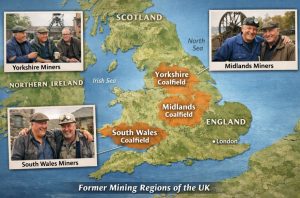
The former mineworkers UK pension boost benefits members across multiple regions, reflecting the widespread history of coal mining in the UK. The largest concentrations are in traditional mining areas where communities were built around collieries.
The distribution shows strong representation in regions such as Yorkshire and the Midlands, alongside Wales and Scotland. This regional spread highlights the national significance of the reform.
Below is a breakdown of beneficiaries:
| Region | Members |
| Wales | 3,876 |
| Scotland | 2,581 |
| North-East | 4,234 |
| North-West | 1,738 |
| Yorkshire and Humber | 10,470 |
| East Midlands | 9,883 |
| West Midlands | 3,586 |
| South-East | 988 |
| South-West | 693 |
| London | 376 |
| Total | 38,425 |
These figures demonstrate that the pension boost is not limited to one area but supports communities across the UK. Many of these regions have long histories tied to coal mining, making the reform particularly meaningful at a local level.
What Has The Government Said About The Mineworkers Pension Boost?
The government has described the former mineworkers UK pension boost as a step towards delivering long-awaited fairness. Officials have acknowledged the contributions made by miners and the importance of recognising their role in powering the country.
Statements emphasise that the increase corrects a long-standing imbalance in how pension funds were distributed. There is also recognition of the campaigns that brought attention to the issue.
One statement reflects this sentiment clearly,
I want to pay tribute to all the mineworkers and the campaigners involved. Today thousands will see a significant uplift in their pension. It provides the retirement they deserve.
Trustees have also highlighted the collaborative effort behind the reform, noting that member engagement played a key role in achieving this outcome.
Are There Any Future Changes Planned For Mineworkers’ Pensions?
While the former mineworkers UK pension boost addresses many immediate concerns, discussions about future arrangements are ongoing. The government has indicated that it will continue working with trustees to review how surplus funds are shared moving forward.
There is still some uncertainty about long-term policies, particularly regarding how future investment gains will be distributed. Campaigners and MPs have called for clearer frameworks to ensure fairness is maintained.
Upcoming discussions are expected to focus on:
- Long-term surplus sharing arrangements
- Ensuring consistency across different pension schemes
- Providing clarity for future pension increases
Although no final decisions have been announced, the current changes suggest a shift towards more balanced and transparent pension management.
How Does This Pension Boost Fit Into The UK’s Wider Economic And Energy Plans?

The former mineworkers UK pension boost is part of a broader effort to support communities affected by industrial change. The government is investing in clean energy and economic regeneration, particularly in former mining regions.
This includes significant funding aimed at creating new opportunities and supporting local economies. The transition to clean energy is expected to generate hundreds of thousands of jobs by 2030.
Key connections include:
- Investment in regions historically reliant on coal
- Job creation in clean energy sectors
- Economic revitalisation of industrial communities
By linking pension reforms with future economic plans, the government aims to balance recognition of the past with investment in the future. This approach supports both current pensioners and the next generation of workers.
What Should You Do If You Are Eligible For The Mineworkers Pension Boost?
If you qualify for the former mineworkers UK pension boost, there are a few important steps to ensure you fully benefit from the changes. The process is designed to be automatic, but staying informed can help you manage your finances more effectively.
Most eligible members will already have received updated payments. However, it is still important to review your pension details and confirm that the increase has been applied correctly.
Recommended actions include:
- Check your latest pension statement for updated figures
- Confirm receipt of the lump sum payment
- Contact your pension scheme if any discrepancies appear
- Consider how the increase fits into your overall financial planning
You may also want to review budgeting decisions, especially if the additional income changes your monthly expenses. For some, this could mean reducing reliance on savings or improving financial security.
Taking these steps ensures that you fully understand and make the most of the pension boost.
Conclusion
The former mineworkers UK pension boost represents a meaningful shift towards fairer financial support for those who worked in the coal industry. With a £100 weekly increase and a £5,500 lump sum, the changes provide both immediate relief and long-term stability.
This reform addresses long-standing concerns about pension distribution and recognises the contributions of workers across the sector. It also reflects a broader effort to support communities affected by industrial change.
Looking ahead, the boost offers greater financial confidence for pensioners while opening the door for further improvements. For many, it marks not just a financial change but a sense of recognition and fairness after years of uncertainty.
FAQs
How Is The Mineworkers Pension Increase Calculated?
The increase is based on the transfer of surplus funds into pension schemes. It results in an average 41% uplift in weekly payments.
Will The Pension Boost Be Permanent?
Yes, the weekly increase is ongoing and not a temporary payment. It becomes part of your regular pension income.
Are Payments Taxable For Former Mineworkers?
Pension income is generally subject to tax depending on your total earnings. The lump sum may also have tax implications.
What Is The Difference Between MPS And BCSSS?
Both are pension schemes linked to the coal industry but cover different groups of workers. MPS mainly covers miners while BCSSS includes broader roles.
Can Family Members Or Widows Benefit From The Increase?
Yes, eligible dependants and widows may receive benefits depending on scheme rules. This ensures continued financial support.
When Exactly Will Payments Be Received?
Payments began in December with backdating to November 2024. Most eligible members have already received them.
Will There Be Another Pension Increase In The Future?
Future increases depend on ongoing discussions about surplus sharing. No confirmed plans have been announced yet.