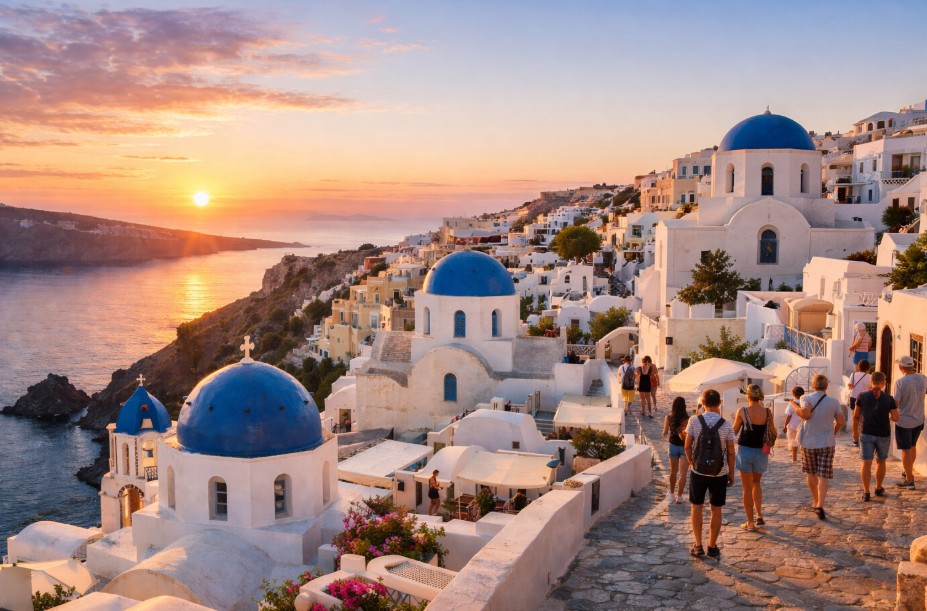
Yes, you can still travel to Greece right now, even amid rising geopolitical tensions linked to conflicts in the Middle East. Greece is not directly involved in the war, and the UK Government has not issued a “do not travel” warning for the country.
However, regional tensions, security alerts, and occasional protests mean you should stay informed and follow official travel advice before and during your trip. If you are planning a holiday, understanding the current situation can help you travel safely and confidently.
Key Takeaways:
- Greece remains open to tourists and British visitors.
- The UK Government advises travellers to stay informed and aware of potential risks.
- Some travellers are reconsidering trips due to regional tensions and media coverage of the Iran conflict.
- Protests, transport strikes, and petty crime can occasionally affect tourists.
- Following official guidance and taking sensible precautions can help you enjoy a safe trip to Greece.
What Is The Current Travel Safety Situation In Greece For UK Travellers?
If you are planning a trip and wondering whether it is safe to travel to Greece right now with war tensions in the region, the overall situation remains stable for visitors.
Greece is not directly involved in the conflict and continues to welcome millions of international tourists each year, including travellers from the UK.
However, ongoing tensions in the Eastern Mediterranean have made some travellers more cautious. Developments linked to the Iran conflict and wider regional instability have increased security awareness across several neighbouring countries.
In response, Greek authorities have strengthened security at certain public locations, transport hubs, and major tourist attractions. It is also important to remember that international travel always carries some level of risk.
The UK Government advises British visitors to check official travel guidance before departure and stay aware of their surroundings while abroad. By staying informed, avoiding demonstrations, and following local safety advice, you can still enjoy a comfortable and enjoyable trip to Greece.
Why Are Travellers Asking If Greece Is Safe Right Now?
Many British travellers are currently asking whether it is safe to travel to Greece because international news reports have highlighted tensions in the Eastern Mediterranean. Although Greece itself is not part of the conflict, developments in nearby regions have raised questions about travel safety.
Recent headlines about the Iran conflict and broader regional instability have made some holidaymakers cautious about travelling to destinations close to the Middle East. This does not necessarily mean Greece is unsafe, but it has increased awareness about potential risks.
How Is The Iran Conflict Affecting Travel In The Eastern Mediterranean?
The ongoing tensions involving Iran have created broader security concerns across several countries in the Eastern Mediterranean. While Greece is not involved in the conflict, developments in the region have prompted governments and travel experts to remind travellers to stay informed.
Some nearby areas have experienced military activity and increased security alerts. For example, neighbouring Cyprus has closely monitored developments due to its geographical proximity to the Middle East. These regional concerns sometimes lead to heightened security at airports, ports, and tourist areas across the region.
Travel experts emphasise that the situation can change quickly, which is why official travel advice encourages you to keep checking updates before travelling.
Traveller shared their experience after arriving in Athens during recent tensions. “I travelled to Greece recently and was initially worried because of the news about the regional conflict. When I arrived in Athens, the atmosphere felt normal and the city was full of tourists. I stayed aware of the news and avoided large political gatherings just in case. From my perspective the trip felt safe and well organised. It reminded me that media headlines can sometimes sound more alarming than the reality on the ground.”
Why Are Some European Travellers Changing Their Holiday Plans?
Even though Greece remains open to visitors, some travellers have decided to change their holiday plans due to uncertainty surrounding regional tensions. Travel companies and holiday operators have reported changes in booking patterns across Europe.
Some reasons include:
- Concerns about potential travel disruption in nearby regions
- Media coverage of geopolitical tensions
- Higher demand for destinations perceived as further from conflict zones
Industry reports suggest that some travellers are choosing alternative destinations such as Spain, Portugal, Croatia, and Italy. At the same time, other holiday companies say that demand for Greece remains strong because it is a familiar and well established tourist destination.
Passenger explained why they reconsidered their holiday plans. “I was planning a trip to Greece this summer, but I spent some time researching the situation first. The news about tensions in the Eastern Mediterranean made me cautious, so I checked official government travel advice before booking. After reading the guidance I realised Greece was still considered safe for tourists. In the end I decided to continue with my trip but also made sure my travel insurance covered unexpected disruptions.”
What Does The UK Government Travel Advice Say About Visiting Greece?

The UK Government regularly publishes travel advice for British citizens planning to visit other countries. This guidance helps travellers understand potential risks and prepare for their trip.
For Greece, the advice emphasises staying informed and taking normal safety precautions while travelling.
Is There A UK Foreign Office Warning For Greece?
Currently, the UK Foreign Office has not issued a warning advising British travellers to avoid visiting Greece. Tourism continues to operate normally across the country.
However, official guidance states that no travel destination can ever be guaranteed completely safe. The government encourages travellers to research destinations carefully and remain aware of local conditions.
Important advice includes:
- Stay aware of your surroundings in busy public places
- Monitor local and international news before and during your trip
- Follow instructions from local authorities if security situations change
Authorities have increased security at certain prominent locations, particularly due to global tensions connected to events in Israel and Palestine.
What Entry Requirements Should UK Travellers Know?
If you are travelling from the UK to Greece, you must follow Schengen Area entry rules.
Important requirements include:
- Your passport must have been issued within the last 10 years
- Your passport must remain valid for at least three months after leaving the Schengen area
- British citizens can stay up to 90 days within any 180 day period without a visa
These rules apply to holidays, business trips, or visits to family and friends. It is also important to ensure that you have travel insurance that covers medical emergencies and travel disruptions.
What New EU Border Systems Could Affect Your Trip?
Travellers visiting Europe may soon experience changes at border control due to a new EU system. The Entry Exit System will require travellers from non EU countries, including the UK, to register biometric information when entering the Schengen area.
This may include:
- Fingerprint scans
- Facial photographs
- Digital entry records
Officials say the process could add a few minutes to border checks, especially when the system first launches. While this does not affect your ability to travel, it may increase waiting times at airports.
Are There Any Security Risks You Should Be Aware Of In Greece?

Although Greece remains a popular and generally safe destination, you should still understand the potential security risks before travelling.
Is There A Terrorism Risk In Greece?
Like many countries in Europe, Greece faces a general global threat of terrorism. Authorities warn that terrorist groups may attempt attacks in places visited by foreign nationals.
Past incidents have involved targets such as:
- Banks
- Media offices
- Diplomatic buildings
- Police facilities
These attacks are rare but highlight why travellers should remain alert in crowded public areas.
Are Protests And Demonstrations A Concern For Tourists?
Political protests sometimes occur in Greece, particularly in central Athens. Large demonstrations often take place around Syntagma Square, which is near several major tourist attractions. Certain dates are historically associated with protests, including Labour Day and commemorative political anniversaries.
During demonstrations you should:
- Avoid gathering crowds
- Move away from protest areas quickly
- Follow advice from local authorities
Police may use tear gas to disperse protests, which can affect nearby areas.
Could Strikes Disrupt Your Travel Plans?
Transport strikes are relatively common in Greece and can sometimes occur with little warning.
These strikes may affect:
- Buses
- Metro services
- Ferries
- Domestic flights
While strikes rarely affect the entire country, they can temporarily disrupt travel plans. Checking local transport updates can help you avoid inconvenience.
What Safety Risks Should You Know About As A Tourist In Greece?

Most visits to Greece are trouble free, but there are a few safety risks you should keep in mind as a visitor. Petty crime is one of the most common issues affecting tourists. Pickpocketing and bag theft occasionally occur in crowded areas such as public transport, busy tourist sites, and city centres.
To protect yourself:
- Keep valuables in separate pockets or bags
- Carry a copy of your passport in case the original is lost
- Stay aware of your surroundings in crowded places
Nightlife safety is also important. If you are visiting bars or clubs, avoid leaving drinks unattended and travel back to your accommodation using licensed taxis or ride apps.
Greek laws can also surprise some tourists. Police may arrest individuals for behaviour considered disorderly or offensive in public spaces. Strict penalties also apply to illegal drugs, and indoor smoking bans can result in fines. Taking a respectful and cautious approach can help you enjoy your holiday without legal or safety issues.
Could Natural Disasters Affect Your Trip To Greece?
Greece experiences several natural hazards that travellers should be aware of before visiting. One of the most significant risks during warmer months is wildfires.
These typically occur between April and October when dry weather increases the likelihood of forest fires. Authorities send emergency alerts to mobile phones if a wildfire threatens nearby areas.
To stay safe:
- Avoid lighting fires or barbecues outdoors
- Follow instructions from emergency services
- Pay attention to evacuation notices
Greece is also located in an earthquake prone region. Minor tremors are relatively common and rarely cause serious damage, but you should familiarise yourself with safety procedures.
Extreme weather events such as heatwaves or flash floods can also occur. Registering your phone for emergency alerts allows you to receive warnings if dangerous conditions develop.
Preparing for these possibilities can help ensure your trip remains safe and enjoyable.
How Safe Are Greece’s Major Tourist Destinations For UK Travellers?
Most of Greece’s main tourist destinations remain safe and welcoming for British visitors. Cities, islands, and coastal resorts continue to receive millions of international travellers each year.
Athens, the capital city, is generally safe for tourists. However, as in many major cities, petty crime can occur in crowded locations such as metro stations and popular attractions. Political demonstrations are also more common in the city centre.
The Greek islands, including well known destinations such as Crete, Rhodes, and Santorini, are typically peaceful and focused on tourism. Resorts on these islands rarely experience the political demonstrations that sometimes occur in large cities.
To stay safe during your trip:
- Use reputable accommodation and transport providers
- Keep personal belongings secure in busy areas
- Follow local safety advice at beaches and tourist attractions
Traveller described their visit to the Peloponnese region during recent tensions. “I stayed in southern Greece for a week while news about the regional conflict was circulating. From what I experienced, everyday life continued as normal and tourism was active everywhere. I noticed increased security at some public locations but it did not affect my trip. Locals reassured visitors that Greece remained safe and welcoming. It helped me realise that staying informed and cautious is the best approach when travelling during uncertain times.”
What Precautions Should You Take If You Travel To Greece Now?
If you decide to travel to Greece during this period of regional tension, taking a few precautions can help you stay safe and avoid unnecessary problems.
The most important step is staying informed. Check official government travel advice before departure and monitor updates during your trip.
Practical precautions include:
- Purchase comprehensive travel insurance before travelling
- Avoid political demonstrations or large gatherings
- Keep emergency contact numbers saved on your phone
- Register your phone for local emergency alerts
- Protect important documents such as passports and insurance details
You should also plan transport carefully, particularly if strikes affect public services. Booking flexible travel arrangements can help you adapt if disruptions occur.
These simple steps can significantly reduce risks and allow you to enjoy your holiday with greater confidence.
Should You Cancel Your Greece Holiday Because Of The War?
Many travellers are currently debating whether they should cancel their holiday plans due to regional tensions. The decision ultimately depends on your comfort level and how closely you follow official travel advice.
Why Some Travellers Are Cancelling Or Changing Plans?
Some tourists have chosen to delay or cancel their trips because of uncertainty surrounding the conflict in the Middle East.
Common reasons include:
- Concerns about potential escalation of regional tensions
- Fear of travel disruptions or flight cancellations
- Media reports highlighting geopolitical risks
Travel agencies have reported that some holidaymakers are switching their destinations to countries further away from the Eastern Mediterranean.
However, it is important to note that these decisions are often based on personal preferences rather than official travel restrictions.
Why Many Tourists Are Still Visiting Greece
Despite these concerns, millions of travellers continue to visit Greece each year. Several factors explain why many tourists still feel comfortable travelling there
- Greece is not involved in the conflict
- The UK Government has not advised against travel
- Tourism infrastructure remains fully operational
Major travel companies also continue to offer package holidays to Greek destinations. For many travellers, the key factor is staying informed and following official guidance rather than cancelling trips unnecessarily.
So, Is It Safe For You To Travel To Greece Right Now?
Overall, Greece remains a safe and popular destination for UK travellers, even during periods of regional tension. The country is not directly involved in the conflict linked to Iran, and tourism continues to operate normally.
However, international travel always carries some level of risk. Security alerts, protests, transport strikes, and natural hazards can occasionally affect travellers.
By monitoring official travel advice, avoiding demonstrations, and taking sensible precautions, you can reduce potential risks and travel confidently.
For most visitors, Greece continues to offer the same attractions that have made it one of Europe’s most visited destinations. Beautiful islands, historic landmarks, and welcoming hospitality remain the core of the travel experience.
Staying informed and prepared is the best way to ensure a safe and enjoyable trip.
Conclusion
Travelling to Greece right now is still considered safe for British tourists, even though global tensions have increased concerns across the Eastern Mediterranean. Greece itself is not part of the conflict, and official UK travel advice does not warn against visiting the country.
Most tourists continue to enjoy holidays in Greek cities and islands without major disruptions. However, travellers should remain aware of potential issues such as protests, transport strikes, or regional security alerts.
Before travelling, check the latest government guidance, arrange comprehensive travel insurance, and follow local safety advice. These steps will help you minimise risks and stay prepared.
With proper planning and awareness, Greece can still be a rewarding and memorable destination for your next holiday.
FAQs
Is Greece Affected By The Iran Conflict?
Greece is not directly involved in the conflict involving Iran. However, tensions in the wider region have increased security awareness across nearby countries.
Is Athens Safe For British Tourists Right Now?
Athens is generally safe for tourists, although demonstrations and petty crime can occur in busy areas. Staying aware of your surroundings helps reduce risks.
Should You Cancel Your Greece Holiday Because Of War?
There is currently no UK Government warning advising travellers to cancel trips to Greece. Most travellers continue to visit normally while following official guidance.
Are Flights To Greece Being Cancelled?
Flights to Greece are generally operating normally. However, disruptions can occasionally occur due to regional tensions or airline scheduling changes.
Is It Safe To Visit Greek Islands During Regional Conflicts?
Most Greek islands remain peaceful tourist destinations with little impact from regional conflicts. Visitors should still monitor travel advice before departure.
What Should You Do If Protests Happen Near Your Hotel?
Avoid the protest area and follow instructions from local authorities. Moving to a safer nearby location is usually the recommended action.
Do You Need Travel Insurance For Greece Right Now?
Travel insurance is strongly recommended for all international trips. It can help cover medical emergencies, cancellations, and unexpected disruptions.