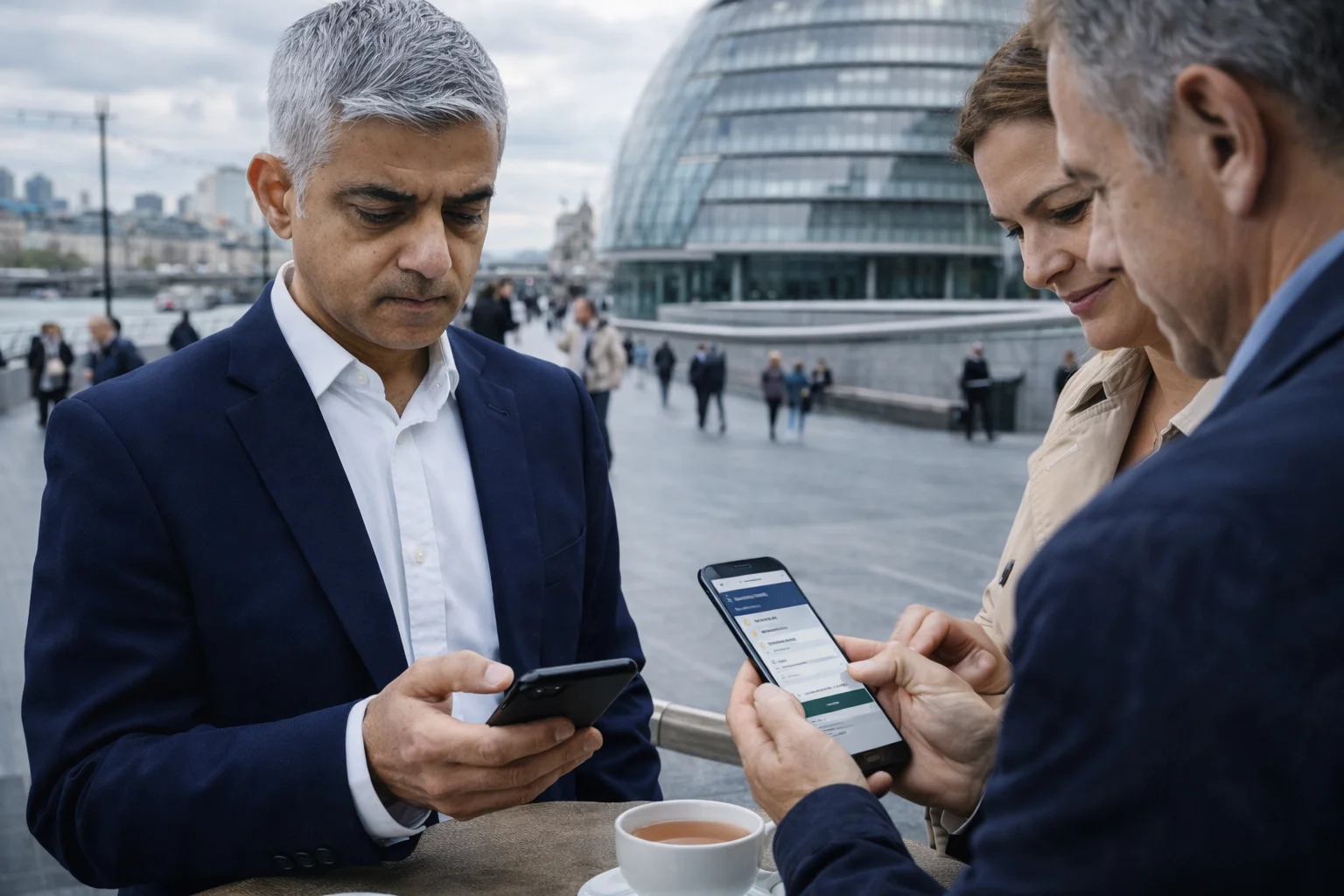
Public Accountability Report: Sadiq Khan Petition
UK Gov Platform Tracking • March 2026
TRENDING
As of March 2026, the petition calling for the resignation of the Mayor of London has gained significant momentum, passing 40,000 signatures. This surge follows high-profile clashes in the London Assembly regarding the Metropolitan Police’s review of 9,000 historic child exploitation cases.
“Closing the 15-year data review is expected by April 2026. The petition aims to shine a light on what campaigners call a refusal to order a full independent inquiry.” – Industry News Summary
The phrase “Sadiq Khan petition gov uk” has recently gained attention across news platforms and social media in the United Kingdom. The discussion centres around an online petition hosted on the official UK Parliament petitions platform, where citizens can raise issues they believe deserve government attention.
Supporters of the petition say it reflects frustration among some members of the public, while others argue that the issue has been amplified by political disagreements and misunderstandings about how petitions work.
Many people reading headlines about the sadiq khan petition gov uk are asking the same questions:
- What exactly does the petition ask for?
- Can a petition remove the Mayor of London?
- Why are some people supporting it while others disagree?
To understand the situation clearly, it is important to examine the petition, the UK government petition system, and the wider public discussion surrounding it. You can view the live signature count and the official text of the appeal on the UK Parliament Petitions website.
(Note: While many petitions for resignation are “rejected” because the site doesn’t allow petitions for appointments/sacking, linking to the search results or the specific trending page shows transparency.)
The 2026 Sadiq Khan petition is a viral public appeal calling for the Mayor of London’s resignation, primarily following controversial debates regarding the handling of child safety investigations in the capital.
As of March 2026, the petition has gathered over 40,000 signatures after being championed by advocacy groups like CitizenGO and members of the London Assembly. While the petition serves as a significant measure of public sentiment, it does not have the legal authority to remove an elected official from office.
What Is the “Sadiq Khan Petition Gov UK”?

The Sadiq Khan petition gov uk refers to a petition hosted on the official UK Parliament petitions website. This platform allows members of the public to raise concerns and gather signatures in support of an issue they want the government or Parliament to consider.
Once a petition is submitted and approved, it becomes publicly visible, and anyone eligible can sign it. Petitions stay open for several months, allowing supporters to add their signatures.
In this case, the petition focuses on political accountability related to the leadership of London’s mayoral office.
Supporters argue that the petition allows people to express dissatisfaction with leadership decisions. However, it is important to remember that petitions are primarily tools for public expression rather than legal enforcement.
Why Are People Discussing the Petition Across the UK?
The conversation around the Sadiq Khan petition gov uk grew after news coverage highlighted debates surrounding crime and governance in London.
For some citizens, the petition represents an opportunity to voice their concerns about issues they believe deserve more attention.
A London resident interviewed in local online discussions expressed a sentiment shared by some petition supporters:
“Signing the petition is simply a way for ordinary people to say they want their concerns heard. Whether people agree or disagree, it shows that citizens are paying attention.”
Others see the petition as part of a wider debate about how political leaders are held accountable.
Another member of the public commented in a community discussion forum:
“Petitions don’t solve problems overnight, but they can start conversations. Sometimes that’s the first step toward change.”
However, not everyone views the petition in the same way. Some London residents believe the discussion may be oversimplifying complex issues involving policing, legal investigations, and government structures.
One commuter in central London shared a more cautious perspective:
“A lot of people are reacting to headlines. I think we need to understand how the system works before assuming a petition can fix something.”
These differing viewpoints highlight how public petitions often become focal points for broader political discussions.
Why the 2026 Petition is Trending: The London Assembly Clashes
While general concerns about crime are always present, the recent surge in the Sadiq Khan petition gov uk is tied to specific political events in late 2025 and early 2026.
The 9,000 Cases Controversy
In a high-profile London Assembly session in January 2025, the Mayor was heavily scrutinised by Conservative members, including Susan Hall AM and Keith Prince AM, over the existence of “grooming gangs” or “rape gangs” in the capital.
The debate intensified in late 2025 when Metropolitan Police Commissioner Sir Mark Rowley confirmed that an initial data review had flagged approximately 9,000 historic cases of group-based sexual offending between 2010 and 2025 that required further investigation.
The debate reached a boiling point in late 2025 and early 2026. According to reporting by the Evening Standard, the Metropolitan Police have begun a review of 15 years of data following intense pressure from the London Assembly.”
Key Drivers of the Trending Petition:
- The “Stonewalling” Allegations: Petition supporters, often amplified by groups like CitizenGO, point to Assembly transcripts where they claim the Mayor “stonewalled” questions by requesting definitions of “grooming gangs” rather than providing direct figures.
- Reform UK Involvement: The petition has seen a significant boost in signatures following endorsements from Reform UK representatives, who have called for a dedicated independent inquiry into child exploitation in London a proposal that was voted down by the Assembly majority in February 2025.
- National Inquiry Context: This local pressure coincides with the national inquiry into grooming gangs announced by the Prime Minister in mid-2025, keeping the topic at the forefront of the UK political cycle.
What Does the Petition Actually Ask For?
The petition asks for political attention and scrutiny regarding leadership decisions affecting London governance. Supporters believe the petition reflects frustration among some members of the public about crime, safety, and broader policy concerns.
One supporter described their motivation for signing in a community discussion group:
“People sign petitions when they feel they have no other way to show their concerns. It’s not about attacking anyone personally, it’s about raising issues that people care about.”
However, political analysts often emphasise that petitions do not automatically result in policy changes.
Another London resident offered a balanced view in a public discussion:
“Whether someone supports the mayor or not, the petition mainly shows that people want their voices heard.”
How Does the UK Government Petition System Work?
The UK Parliament’s petitions platform was created to allow citizens to bring issues directly to the attention of government institutions.
Anyone can start a petition, but it must follow specific rules and gain initial supporters before being published.
Once a petition is live, it can gather signatures for a set period.
Petition Signature Thresholds
| Signature Count | Official Outcome | Current 2026 Status |
| 10,000 | The government must provide a response | Achieved |
| 40,000+ | High media visibility & Assembly pressure | Current Progress (March 2026) |
| 100,000 | Petition considered for Parliamentary debate | Next Major Milestone |
These thresholds ensure that issues receiving significant public attention are acknowledged by government institutions.
A teacher from Birmingham shared their thoughts about the petition system in an online forum:
“The petitions site is a way for people to engage with politics without needing to be part of a political party.”
Can a Petition Remove the Mayor of London?
One of the most common questions surrounding the sadiq khan petition gov uk is whether signing a petition can remove the Mayor of London from office.
The answer is no.
The Mayor of London is elected through a democratic voting process. Removal from office normally occurs through elections or legal proceedings in exceptional circumstances.
Petitions cannot legally dismiss an elected official.
A university student in London commented during an online discussion:
“I signed a few petitions before, but I always understood they’re about raising awareness rather than removing someone from their job.”
This highlights a common misunderstanding that often spreads online when petitions become popular.
What Are Critics Saying About the Petition?
Critics of the mayor argue that the petition reflects broader concerns about governance and public safety in London. Some campaigners believe that political leaders should face greater scrutiny when citizens express dissatisfaction.
A community volunteer from East London expressed this viewpoint in a discussion group:
“People sign petitions because they want accountability. It’s a way to say that citizens are watching what their leaders are doing.”
For supporters of the petition, the act of signing itself represents participation in democratic debate.
What Are Supporters of the Mayor Saying?

Supporters of the mayor argue that political debates surrounding the petition sometimes overlook the complexity of policing and governance.
They point out that many issues discussed in public debates involve multiple institutions, including police services and national government policies.
A resident from South London shared this perspective during a neighbourhood discussion:
“It’s easy to blame one person, but running a city like London involves many organisations and decisions.”
Others believe that petitions can sometimes amplify political disagreements rather than resolve them.
Another London resident commented:
“Petitions are part of democracy, but they don’t always tell the full story behind complicated issues.”
What Facts Are Confirmed About the Petition?
To understand the Sadiq Khan petition gov uk, it is helpful to separate confirmed facts from speculation.
Confirmed Facts
- A petition related to London leadership exists on the UK Parliament petitions website.
- Citizens can sign petitions online through the official platform.
- Petitions reaching certain signature levels receive government responses or possible parliamentary discussion.
Proposed Political Actions
Campaigners supporting the petition are encouraging stronger scrutiny of leadership decisions. These proposals are part of an ongoing political debate rather than confirmed government actions.
Misinformation Circulating Online
Some online posts suggest that signing a petition can automatically remove political leaders.
This is incorrect.
Petitions are designed to raise awareness and encourage discussion rather than enforce immediate political action.
Have Public Petitions Influenced UK Politics Before?
Public petitions have influenced political conversations in the UK on many occasions.
While they rarely lead directly to policy changes, they often bring public concerns into national debate.
For example, previous petitions have triggered parliamentary debates on issues such as healthcare funding, environmental policies, and social reforms.
A public policy researcher explained the value of petitions in a discussion forum:
“Petitions show policymakers which issues people care about. Even when laws don’t change immediately, they can shape the political conversation.”
What Happens Next With the Sadiq Khan Petition Gov UK?
The future of the Sadiq Khan petition gov uk depends largely on how many signatures it receives. If the petition reaches 10,000 signatures, the government must provide a formal response.
If it reaches 100,000 signatures, the issue may be considered for debate in Parliament. Even if such a debate occurs, it would typically involve discussion rather than immediate structural change.
A London office worker summarised the situation in a public conversation:
“At the end of the day, petitions show what people are thinking. Whether anything changes depends on politics, not just signatures.”
Why Do Petitions Matter in a Democracy?

Petitions provide one of the most accessible ways for citizens to participate in democratic discussions.
They allow individuals to raise issues publicly and demonstrate how strongly people feel about particular topics.
Although petitions rarely produce immediate political outcomes, they contribute to public dialogue and encourage political accountability.
As one resident put it in a community discussion:
“Democracy isn’t only about elections every few years. It’s also about speaking up when people feel something needs attention.”
Conclusion: What Should People Understand About the Sadiq Khan Petition Gov UK?
The Sadiq Khan petition gov uk highlights how digital platforms are shaping modern political participation in the UK.
For supporters, the petition represents a way to express concerns and encourage accountability. For others, it demonstrates how public debate can quickly expand around complex issues.
Understanding how the petition system works helps people interpret political discussions more clearly.
Ultimately, the petition reflects something broader than a single political issue: it shows how citizens continue to engage with democratic processes and express their views in an increasingly digital public sphere.
Frequently Asked Questions
How can someone sign a UK government petition?
People can sign petitions on the official UK Parliament petitions website by entering their details and confirming their signature via email.
Who can create a petition on the government website?
Any UK citizen or resident can start a petition, provided it follows the platform’s rules and gains initial supporters.
How long do petitions stay open?
Most petitions remain open for six months before automatically closing.
Can a petition force a politician to resign?
No. Petitions can highlight public opinion, but do not have the legal authority to remove elected officials.
What happens when a petition reaches 10,000 signatures?
The UK Government must issue an official written response addressing the petition.
What happens if a petition reaches 100,000 signatures?
The House of Commons Petitions Committee may consider the issue for debate in Parliament.
Why do people sign political petitions?
People sign petitions to express concerns, support causes, and bring attention to issues they believe deserve discussion.