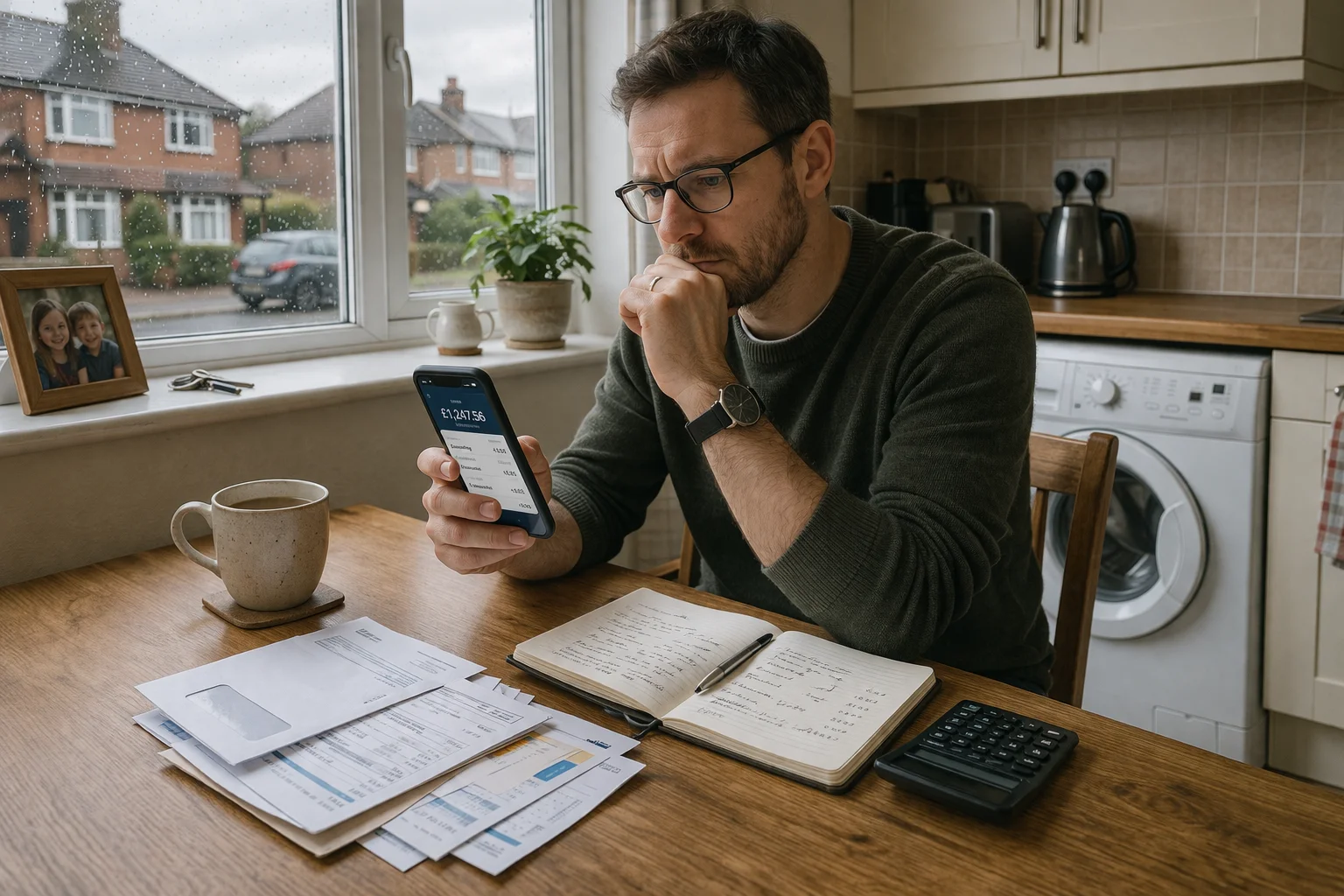
Yes, in most cases you do not get paid on Good Friday itself in the UK. Instead, if your payment is due on this bank holiday, it is usually paid earlier, typically on the working day before, which is Thursday 2 April 2026. This applies to wages, benefits, and pensions, although the exact outcome depends on your employer or payment provider.
Here are the key takeaways you should know:
- Good Friday is a UK bank holiday, so normal payment processing does not occur
- Most payments are moved earlier, not delayed
- DWP benefits, State Pension, and HMRC payments follow this rule
- Early payment is not extra money, just paid sooner
- You may need to budget carefully, as the next payment gap is longer
Understanding these rules can help you avoid confusion and plan your finances more confidently during Easter 2026.
Will Your Payment Be Made on Good Friday 2026 or Earlier in the UK?

The simple answer is no, you usually will not receive your payment on Good Friday itself in the UK. Because it is a recognised bank holiday, most financial systems and government departments do not process payments on that day. Instead, payments that would normally arrive on Good Friday are typically made earlier.
In practice, this means your money is often paid on the last working day before the holiday, which in 2026 is Thursday 2 April. This rule applies to most types of payments, including benefits, pensions, and in many cases, wages.
Here is how this generally works:
- If your payment date falls on Good Friday, it is brought forward
- Payments are usually sent via bank transfer before the holiday begins
- The same rule often applies to Easter Monday as well
It is important to understand that while many payments follow this pattern, not all employers or payment providers operate in exactly the same way. Always check your payment schedule or employer policy if you are unsure.
Why Do Payment Dates Change on Good Friday 2026?
Payment dates change on Good Friday because it is classified as a UK bank holiday, which affects how financial systems and organisations operate. On bank holidays, banks and many payment processing systems are closed or limited, meaning transactions cannot be completed as usual.
The UK government guidance clearly states that if a payment date falls on a bank holiday or weekend, it is usually made on the working day before. This ensures people still receive their money without delay.
There are several reasons behind this rule:
- Bank systems such as BACS do not process payments on bank holidays
- Government departments like DWP and HMRC adjust schedules in advance
- Employers often process payroll early to avoid disruption
This approach helps maintain consistency and prevents payments from being delayed unexpectedly. However, it also means you receive your money earlier than planned, which can affect how long it needs to last.
When Will You Actually Be Paid Instead of Good Friday 2026?
If your payment is scheduled for Good Friday 2026, you will usually receive it earlier rather than on the day itself. This happens because bank holidays pause standard payment processing across banks, employers, and government systems. To prevent delays, payments are typically moved to the last available working day before the holiday period begins.
For Easter 2026, this adjustment is especially important because several non-working days occur consecutively, which extends the gap during which payments cannot be processed.
Which Dates Are Affected During Easter 2026?
The Easter period in 2026 includes a sequence of bank holidays and weekends, which directly impacts payment schedules across the UK.
The key dates to keep in mind are:
- Friday, 3 April 2026, which is Good Friday
- Saturday, 4 April 2026, which is a weekend
- Sunday, 5 April 2026, which is a weekend
- Monday, 6 April 2026, which is Easter Monday
Because these days are grouped together, there are no working days between them. This means organisations must process payments in advance. The last working day before this stretch is Thursday, 2 April 2026, which becomes the most likely payment date for anyone affected.
Expected Early Payment Dates
Here is a simplified breakdown of how payment dates are adjusted during this period:
| Original Payment Date | Reason | New Payment Date |
| 3 April 2026 | Good Friday | 2 April 2026 |
| 4 April 2026 | Weekend | 2 April 2026 |
| 5 April 2026 | Weekend | 2 April 2026 |
| 6 April 2026 | Easter Monday | 2 April 2026 |
In practical terms, if your usual payment falls anytime between 3 April and 6 April, you will most likely receive it on 2 April instead.
This approach is designed to ensure that people are not left waiting for their money during a period when banks and offices are closed. As one official explanation highlights, payments are issued early so individuals can access their funds before the holiday period begins, maintaining consistency and reducing disruption.
Which Payments Are Affected by the Good Friday Bank Holiday?

Good Friday 2026 can affect a wide range of payments across the UK, including government benefits, pensions, and certain HMRC payments. Because it is a bank holiday, payment schedules are adjusted in advance to ensure people still receive their money without delay.
While the general principle is that payments are made earlier, the exact timing can vary slightly depending on the type of payment and the organisation responsible.
Are DWP Benefits Paid Early on Good Friday?
Yes, most benefits provided by the Department for Work and Pensions are paid earlier if their scheduled date falls on Good Friday. This applies to major benefits such as Universal Credit, Personal Independence Payment, Disability Living Allowance, Employment and Support Allowance, and Pension Credit.
Instead of being delayed, these payments are usually processed on the last working day before the bank holiday period. For Easter 2026, this means many claimants are likely to receive their money on Thursday 2 April.
Key points to understand:
- Payments are transferred directly into your bank or building society account
- The adjusted payment happens automatically without requiring any action
- The amount you receive remains unchanged despite the earlier date
This system is designed to maintain consistency and avoid disruption during public holidays.
Is the State Pension Paid Early?
Yes, the State Pension follows a similar adjustment process when payment dates fall on a bank holiday. If your usual payment day coincides with Good Friday, your pension is typically issued earlier.
State Pension payments are normally scheduled based on the last two digits of your National Insurance number, which determines the day of the week you are paid. However, when a bank holiday interrupts this pattern, the payment is brought forward to the nearest working day.
For example:
- Payments that would normally arrive on a Friday are likely to be paid on Thursday
- Payments scheduled earlier in the week are only affected if they fall on a holiday
This ensures pensioners continue receiving their payments without unnecessary delays.
What Happens to HMRC Payments Like Child Benefit?
HMRC payments, including Child Benefit and other tax-related support, are also influenced by the Good Friday bank holiday. In most situations, these payments are issued earlier, following a similar approach to DWP benefits.
However, HMRC payment schedules can sometimes differ slightly depending on the type of benefit and internal processing timelines. This means that while early payment is common, the exact date may not always match other benefits.
Because of this variation:
- It is important to check your individual payment schedule
- Do not assume all HMRC payments follow identical timing
- Always refer to your official payment notice or online account
As one benefits adviser explained:
“People often expect all payments to follow the same pattern during bank holidays. In reality, some HMRC payments can vary slightly, so checking your own details is always the safest approach.”
Do You Get Paid Early If You Work on Good Friday?

Whether you get paid early if you work on Good Friday depends on your employer and contract. Good Friday is a bank holiday, but it is not a guaranteed paid day off for everyone in the UK.
Here is how it usually works:
- Salaried employees may receive their wages early if payday falls on a holiday
- Hourly workers are only paid for hours worked unless their contract states otherwise
- Some employers offer bank holiday pay or time off in lieu
It is important to understand that there is no universal rule requiring employers to pay extra or provide a paid day off on Good Friday. Your entitlement depends on your employment terms.
In many workplaces, payroll is processed before the holiday to ensure staff are paid on time. This often results in wages being paid earlier than usual.
An HR manager explained:
“We usually bring payroll forward when a bank holiday falls on payday. This ensures staff are not left waiting for their wages over a long weekend.”
Is it an Early Payment Extra Money or Just Paid Sooner?
An early payment is not extra money. It is simply your regular payment being made earlier because of the bank holiday.
This is one of the most common misunderstandings during Easter. Receiving money earlier can feel like a bonus, but it is still part of your normal payment cycle.
Here is what this means in practice:
- You receive the same amount, not more
- Your next payment will still follow your usual schedule
- There may be a longer gap until your next payment
For example, if you receive your benefit early on 2 April instead of 3 April, your next payment will not also be brought forward. This can make the time between payments feel longer.
Many financial advisers recommend planning ahead during bank holiday periods to avoid unexpected financial pressure. Treat the early payment as part of your regular income, not as extra funds.
How Could Early Payments Affect Your Budget in April 2026?
Early payments can have a noticeable impact on your budgeting, especially during April when several financial changes also take place in the UK.
Because your payment arrives earlier, it needs to last longer until the next one. This can create challenges if you are not prepared.
Here are some key points to consider:
- You may face a longer gap before your next payment
- Regular bills such as rent or utilities may still be due on fixed dates
- Cost of living pressures remain high for many households
Recent data shows that many UK households are already adjusting their spending to manage rising costs. An earlier payment can make budgeting feel tighter if not planned properly.
To manage this effectively:
- Plan your spending across a longer period
- Avoid treating early payments as extra income
- Keep track of your next expected payment date
Being aware of these changes can help you stay in control of your finances during the Easter period.
What Should You Do If Your Payment Hasn’t Arrived?
If your payment has not arrived when expected, the first step is to stay calm and check a few key details. Around bank holidays, payments are often made earlier, which can cause confusion.
Step-by-Step Checks Before Contacting DWP or HMRC
Before assuming your payment is missing, go through these checks:
- Confirm whether your payment date has changed due to the bank holiday
- Check your bank account for earlier deposits
- Review your award letter or online account for updated dates
- Ensure your payment details are correct
In many cases, the payment has already been made earlier than expected and may have been overlooked.
Who to Contact and When Offices Reopen?
If you still cannot find your payment, you may need to contact the relevant department.
Key points to remember:
- DWP and HMRC offices are usually closed on bank holidays
- Helplines reopen after the Easter weekend
- You should have your National Insurance number ready when calling
If the issue continues after checking everything, contacting the appropriate office is the best next step.
Are There Any Other Payment Changes in April 2026 You Should Know About?

April 2026 is not just about bank holiday payment changes. Several other important updates are taking place that could affect your finances.
These include:
- Benefit rates are increasing in line with inflation
- State Pension rising by around 4.8 per cent
- Universal Credit standard allowance increasing
- Removal of the two-child limit for some families
In addition, legacy benefits are being phased out, with many people moving to Universal Credit. This transition may affect payment timing and amounts.
It is important to understand that while rates may increase, the exact timing of when you see the increase can vary depending on your payment cycle.
Does Good Friday Affect Universal Credit Assessment Periods?
Good Friday can indirectly affect Universal Credit because of how assessment periods work. Universal Credit is based on monthly assessment periods, and payments are made after that period ends.
If your wages are paid early due to a bank holiday, they may fall into a different assessment period. This can sometimes affect the amount of Universal Credit you receive.
This does not mean you are losing money overall, but it can change how payments are calculated for that specific month. It is one of the more complex effects of early payments that many people are not aware of.
Final Thoughts
Good Friday 2026 will not stop you from receiving your payment, but it will likely change when you receive it. In most cases, payments are made earlier, usually on Thursday 2 April.
The key thing to remember is that early payments are part of the normal system and not a cause for concern. They are designed to ensure you still have access to your money before the holiday period.
By understanding how these changes work, you can plan ahead and avoid unnecessary stress. Checking your payment schedule and budgeting carefully can make a significant difference during this period.
FAQs
Will I get paid on Good Friday or before it?
You will usually be paid before Good Friday. Most payments are moved to the working day before the bank holiday.
Do all benefits get paid early on Good Friday?
Most DWP benefits and pensions are paid early. However, some HMRC payments may vary slightly.
Can my employer delay my wages instead of paying early?
Yes, some employers may have different payroll arrangements. You should check your contract or payroll schedule.
Will my bank process payments on Good Friday?
Banks do not process standard payments on bank holidays. That is why payments are usually sent earlier.
Why is my next payment later after getting paid early?
Because the early payment is part of your normal cycle. The gap feels longer as you received money sooner.
Does this rule apply across the whole UK?
Yes, Good Friday affects England, Scotland, Wales, and Northern Ireland. Payment rules are generally consistent.
What should I do if I have not received my payment?
Check your bank and payment schedule first. If it is still missing, contact the relevant department after the holiday.