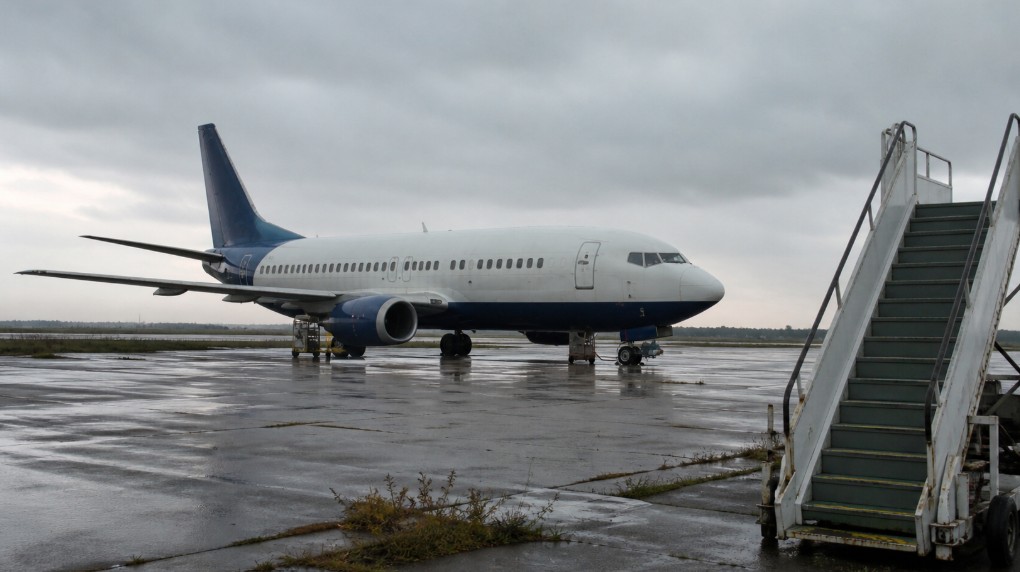
Ascend Airways liquidation refers to the sudden shutdown of the UK-based airline, which resulted in the immediate cancellation of all its operations and the surrender of its licence to fly. This matters because it highlights how economic pressures, rising fuel costs, and global instability can quickly disrupt aviation businesses, impacting passengers, employees, and the wider travel industry.
Key takeaways:
- Ascend Airways ceased operations with immediate effect
- All flights were cancelled and aircraft returned
- Economic challenges and fuel costs played a major role
- The airline surrendered its UK Air Operator’s Certificate (AOC)
- Passengers and employees now face uncertainty
This development is not just about one airline, it reflects broader challenges facing the UK aviation sector today.
What Is the Ascend Airways Liquidation and Why Is It Important?
Ascend Airways liquidation is the formal process through which the airline has ceased trading, with its assets being handled to repay creditors. The airline stopped all operations immediately, meaning no further flights, services, or contracts will continue under its UK entity.
This situation is important because it shows how quickly airlines can collapse when financial stability weakens. Ascend Airways operated primarily as a service provider to other airlines rather than directly selling tickets to passengers, making its business model highly dependent on external contracts.
The liquidation also matters for regulatory reasons. By giving up its operating licence, the airline effectively removed itself from the UK aviation system. This highlights how strict compliance and financial health are essential in maintaining airline operations.
For travellers and industry observers, it serves as a reminder that airline stability is closely tied to global economics, fuel prices, and operational costs.
Why Did Ascend Airways Go Into Liquidation?
Ascend Airways entered liquidation due to a combination of financial pressures, operational challenges, and external global factors. These issues built up over time, ultimately making it unsustainable for the airline to continue operating.
How Did Economic Pressures and Rising Fuel Costs Contribute?
One of the most significant reasons behind the collapse was the increasing cost of running an airline in the UK. Aviation is highly sensitive to fuel prices, and even small increases can have a large impact on profitability.
Fuel costs rose sharply, putting pressure on margins. At the same time, broader economic conditions made it harder to maintain stable revenue streams.
- Operating expenses increased across multiple areas
- Profit margins became too narrow to sustain operations
- Financial uncertainty reduced long-term planning ability
A source close to the situation explained,
“It’s to do with the economy, we couldn’t get contracts, the UK is a lot more expensive than Europe. The fuel situation had a massive effect on it as well.” This reflects how rising costs directly influenced the airline’s ability to survive.
Did Global Events Like the Iran Conflict Affect Operations?
Global instability also played a role, particularly in relation to fuel supply and pricing. Conflicts in key regions can disrupt oil markets, which in turn affects jet fuel availability and cost.
The situation involving Iran reportedly contributed to fuel-related challenges. While not the sole cause, it added pressure to an already strained financial environment.
- Fuel supply uncertainty increased operational risk
- Price volatility made budgeting more difficult
- External geopolitical events amplified existing issues
An insider noted that internal communications highlighted how global tensions were impacting the business, reinforcing that aviation is deeply connected to international events beyond its control.
Were Contract Shortages and UK Operating Costs a Factor?
Ascend Airways relied heavily on contracts with other airlines. When these contracts became harder to secure, revenue streams weakened significantly. The UK aviation environment is also more expensive compared to some European markets, adding another layer of difficulty.
- Fewer contracts reduced consistent income
- High UK operational costs increased financial strain
- Competitive pressure limited growth opportunities
Employees became aware of the situation quickly.
One staff member said,
“It’s gone bust today, we got the news this afternoon. We’ve all been given the letters that it’s all going into liquidation.” This highlights how rapidly the situation unfolded internally.
What Happened to Ascend Airways Flights and Operations?
All Ascend Airways flights were cancelled immediately following the liquidation announcement. The airline ceased operations without a transition period, meaning no future bookings or services were honoured under its UK operations.
The shutdown process included returning aircraft and ending all contractual obligations. The airline also completed its final flight before officially stopping operations.
Key developments included:
- Immediate cancellation of all flights
- Return of aircraft to lessors or partners
- Completion of final scheduled service before closure
- Termination of operational contracts
The airline had operated from major UK airports, including Gatwick and Stansted, making its closure noticeable within the aviation network. Passengers were affected indirectly, as the airline primarily provided aircraft and crew to other carriers. This means disruptions depended on how partner airlines managed replacements.
The sudden nature of the shutdown reflects how liquidation differs from gradual closures. Once the decision is made, operations typically stop quickly to limit further financial losses.
What Does Giving Up the UK Air Operator’s Certificate (AOC) Mean?
The UK Air Operator’s Certificate (AOC) is a legal requirement for any airline to operate commercial flights. By surrendering this certificate, Ascend Airways officially lost its authority to fly within the UK.
This step is significant because it confirms that the airline cannot resume operations without undergoing a full regulatory approval process again. It marks a definitive end to its current business activities in the UK.
The AOC ensures that airlines meet safety, operational, and financial standards. Losing it indicates that the airline can no longer meet these requirements.
For the industry, this highlights the importance of regulatory compliance. For the airline, it represents a complete operational shutdown rather than a temporary pause.
How Did Ascend Airways Operate as a Wet-Lease (ACMI) Airline?
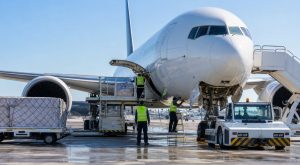
Ascend Airways followed a specialised business model known as wet-leasing, where it provided aircraft and crew to other airlines instead of selling tickets directly to passengers.
What Is a Wet-Lease or ACMI Airline Model?
Wet-leasing, also known as ACMI (Aircraft, Crew, Maintenance, and Insurance), involves supplying a fully operational aircraft to another airline.
This model allows airlines to expand capacity quickly without owning additional aircraft.
- Aircraft is provided along with crew and maintenance
- The hiring airline manages ticket sales and branding
- Contracts are typically short-term or seasonal
This approach can be efficient but also creates dependency on external demand.
Which Airlines Did Ascend Airways Work With?
Ascend Airways partnered with several international carriers, providing operational support rather than direct passenger services.
Its known partners included:
- Oman Air
- Air Sierra Leone
- TUI Airways
These partnerships formed the core of its business. Revenue depended on maintaining these agreements and securing new ones regularly.
Why Is This Business Model More Vulnerable to Market Changes?
While flexible, the wet-lease model can be unstable during economic downturns. Demand for leased aircraft can drop quickly when airlines cut costs.
- Contracts can be cancelled or reduced
- Revenue streams are less predictable
- Competition from lower-cost regions increases pressure
This vulnerability became evident during the airline’s final months.
A worker shared concerns about the aftermath, stating,
“We’re not going to get paid for May and we have to go through the liquidators. You could get up to £750 a week but we’re not going to get the full amount we’re owed.”
This illustrates how business model risks can directly affect employees as well as operations.
What Happens to Passengers After an Airline Liquidation?
When an airline enters liquidation, passengers are often left uncertain about their travel plans. In the case of Ascend Airways, the impact on passengers depended on how bookings were arranged.
Since the airline operated as a service provider, most passengers booked through partner airlines rather than directly.
Typical outcomes include:
- Flights may be rebooked by partner airlines
- Refunds depend on booking method and protections
- Travel insurance may cover losses
Passengers are generally advised to:
- Contact the airline they booked with
- Check for ATOL or insurance coverage
- Avoid assuming automatic refunds
While not all travellers are directly affected, the disruption can still cause delays and uncertainty.
What Is the Impact on Employees and the Aviation Industry?

The liquidation has had a direct impact on employees, many of whom were informed suddenly about the closure. This created immediate concerns about wages, job security, and future employment.
For staff:
- Job losses occurred without long notice
- Salary payments became uncertain
- Claims must go through liquidation processes
The wider aviation industry also feels the effects. Airline closures can reduce capacity, disrupt partnerships, and highlight ongoing financial pressures.
Key industry impacts include:
- Increased caution among airline operators
- Greater focus on cost management
- Potential consolidation within the sector
This situation reflects broader challenges, showing how even established aviation businesses can struggle in a volatile environment.
What Happens Next for Ascend Airways and Its International Operations?
While the UK operations have ceased, Ascend Airways’ Malaysian division continues to operate independently. This indicates that the liquidation is limited to its UK entity.
The international arm has stated that it remains stable and is continuing with its planned operations. This separation shows how airline groups can operate across different markets with varying outcomes.
Going forward:
- The UK business will be wound down through liquidation
- Creditors will be repaid where possible
- International operations may continue unaffected
This creates a mixed outcome, where one part of the business closes while another moves forward.
Conclusion
Ascend Airways liquidation highlights the fragile balance within the aviation industry. Rising costs, global instability, and reliance on external contracts combined to create an unsustainable situation for the airline. Its sudden closure, cancellation of flights, and surrender of its operating licence demonstrate how quickly conditions can change.
For passengers, the impact depends on booking arrangements, while employees face more immediate challenges related to income and job security. The continuation of its Malaysian operations shows that not all parts of the business were affected equally.
Ultimately, this case serves as a clear example of how economic and global factors shape the future of airlines, and why adaptability and financial resilience remain critical in today’s aviation landscape.
FAQs
What does airline liquidation mean for travellers?
Airline liquidation means the company has stopped operating and cannot continue flights or services. Travellers may need to seek refunds or alternative arrangements depending on how they booked.
Can passengers still get refunds after Ascend Airways liquidation?
Refunds are possible but depend on whether the booking was made through a partner airline, travel agent, or insurance. Claims may also need to go through the liquidation process in some cases.
Was Ascend Airways selling tickets directly to passengers?
No, Ascend Airways mainly operated as a wet-lease provider supplying aircraft and crew to other airlines. Most passengers would have booked through partner airlines rather than directly.
What role does the UK Air Operator’s Certificate (AOC) play?
The AOC allows an airline to legally operate commercial flights in the UK. Without it, an airline cannot continue flying or offering services.
Are employees protected when an airline goes into liquidation?
Employees may be able to claim unpaid wages through government schemes or the liquidation process. However, payments are often limited and may not cover the full amount owed.
Could Ascend Airways restart operations in the future?
Restarting would require a new operating licence and significant financial restructuring. In most cases, liquidation marks a permanent end to that specific business entity.
How common are airline liquidations in the UK?
Airline liquidations are not frequent but do occur during periods of economic pressure or industry instability. Factors like fuel costs, demand shifts, and global events often play a role.