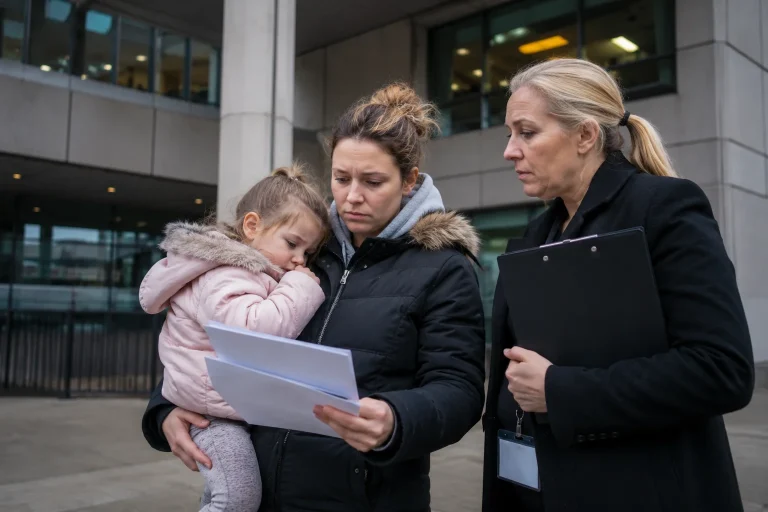
HM Passport Office is warning UK travellers to check their passport before booking any trip because a damaged, expired or incorrectly dated passport could stop you from travelling. Even if your passport looks valid, you could still be refused boarding if it is more than 10 years old, has less than three months left after your return date, or has damage such as torn pages, water stains or a loose cover.
Key points to know:
- Check both the expiry date and issue date on your passport
- Make sure your passport is not damaged in any way
- Most European countries now require at least three months left on your passport after you return
- Your passport usually needs to have been issued within the last 10 years
- Renew early because standard applications can still take up to three weeks
HM Passport Office has urged travellers to act early to avoid cancelled holidays, missed flights and extra costs.
What Is the Latest HM Passport Office Warning for UK Travellers?

The latest HM Passport Office warning tells UK travellers to check their passport before they book a holiday or business trip. The warning focuses on two main problems: damaged passports and passports that no longer meet the latest validity rules.
HM Passport Office has reminded travellers that many people wrongly assume a passport is acceptable as long as it has not expired. In reality, a passport may still be rejected if it has been issued more than 10 years ago or if there are fewer than three months remaining after your planned return date.
The government has also highlighted the growing number of passports damaged by water, pets, ripped pages or covers coming away from the booklet. Any of these issues can make your passport invalid.
In a recent warning shared by HM Passport Office, officials said:
“Planning spring or Easter travel? Check your passport now.”
They also advised travellers to apply as early as possible if they need a replacement or renewal.
Why Are UK Travellers Being Told to Check Their Passport Before Booking a Trip?
UK travellers are being told to check their passports before booking because a replacement passport can take time to arrive, and the new document will have a different passport number.
If you book flights or accommodation using your old passport details and then renew it later, you may need to update your travel documents with the airline. Some airlines charge a fee to change passport information.
Travellers are also being warned because European travel rules changed after Brexit. Your passport may still show months or years before expiry, but that does not always mean you can travel.
Before you book, you should check:
- The passport expiry date
- The passport issue date
- Whether there are at least three months left after your return date
- Whether your passport is less than 10 years old
- Whether there is any visible damage
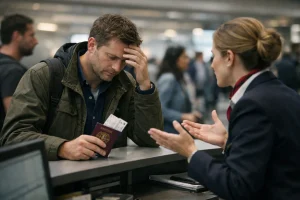
Many people only discover a problem when they arrive at the airport. Airlines can refuse to let you board if your passport does not meet the destination country’s rules. Border officials can also refuse entry after you land.
One traveller described the problem clearly:
“My passport still had six months left, so I thought everything was fine. At the airport I was told it had been issued more than 10 years ago and I could not fly.”
Stories like this are becoming more common as more people travel with older passports issued before Brexit.
What Makes a Passport Too Damaged to Travel With?
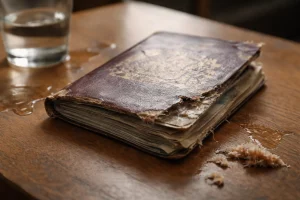
A passport is considered too damaged to travel with if important details cannot be read or if the passport could be seen as altered or unsafe to use. Even small damage can cause problems because airlines and border officers need to scan the document quickly and clearly.
HM Passport Office says you should replace your passport if there is any doubt about its condition. It is safer to renew early than risk being turned away at the airport.
Could Torn Pages, Water Damage or a Loose Cover Make Your Passport Invalid?
Yes. Torn pages, water damage and a loose cover can all make your passport invalid.
A passport may be rejected if:
- Any page is ripped, cut or missing
- The cover has holes, cuts or tears
- The cover is coming away from the passport
- Water, ink or other stains make the details difficult to read
- Your photo page is damaged or unclear
A common mistake is assuming that only the photo page matters. In reality, any damaged page can make the whole passport unacceptable because entry stamps and security markings may no longer be readable.
For example, if your passport gets wet in a bag or suitcase and the pages become wrinkled or stained, the machine-readable strip may no longer scan correctly. Border officers may then treat the passport as damaged.
HM Passport Office explains that your passport is damaged if “you can’t read any of your details” or if there are “holes, cuts or rips in the cover”.
Can Pet Damage, Ink Stains or Missing Pages Lead to Refused Boarding?
Yes. Pet damage, stains and missing pages can all lead to refused boarding.
HM Passport Office recently warned travellers to keep new passports away from pets after several passports were chewed by dogs before the owner had even travelled.
Officials said:
“If you’re expecting your new passport, keep an eye out… and keep it out of reach of curious paws! Your passport is important, and definitely not chew-toy approved.”
A passport damaged by a pet may have:
- Bite marks on the cover
- Torn corners
- Missing pages
- Damage to the photo or personal details page
Ink stains can also be a problem. For example, if a pen leaks inside your bag and leaves marks across your passport, border officials may not be able to confirm your identity.
Missing pages are particularly serious because officials may suspect that pages have been removed deliberately. Even one missing page could make your passport invalid.
A family from Manchester recently reported that their dog chewed the edge of a child’s passport just days before a holiday.
Although the damage seemed small, the airline refused to accept it because the photo page had been affected. The family had to pay for an urgent replacement and delay their trip.
Can You Still Travel if Your Passport Only Has Minor Wear and Tear?
Minor wear and tear is usually acceptable. A passport that has slightly bent corners, light creases or small marks from normal use will often still be valid.
Normal wear and tear may include:
- Slightly faded edges
- Small creases on the cover
- Minor bends from carrying it in a bag or pocket
However, there is no exact rule that explains when minor damage becomes serious. The final decision is usually made by the airline or border officer.
If you are unsure, compare your passport carefully against the official damage guidance. If there is any damage near the photo page, barcode, machine-readable strip or passport number, it is best to replace the document.
The safest approach is simple: if you are worried enough to ask whether your passport is damaged, you should probably renew it before you travel.
What Passport Validity Rules Must UK Travellers Follow in 2026?
In 2026, UK travellers must follow both general passport validity rules and country-specific entry rules.
For most international destinations, your passport should:
- Still be valid on the date you travel
- Have enough time left before it expires
- Be in good condition and easy to read
Many countries outside Europe still ask for at least six months left on your passport. Countries such as Turkey, Egypt, Thailand and the United Arab Emirates often use this rule.
However, European countries usually follow different rules.
For travel to most EU and Schengen countries, your passport generally needs to:
- Be less than 10 years old on the day you travel
- Have at least three months remaining after the date you plan to leave
Travellers often make the mistake of checking only the expiry date. The issue date is now just as important.
Your passport validity rules can also vary depending on whether you are travelling for a holiday, work trip or longer stay. Some countries may require a visa or additional documents if you plan to stay for an extended period.
Because rules can change, HM Passport Office advises checking the requirements for your destination before every trip.
Which Passport Rules Apply When Travelling to Europe After Brexit?

Travelling to Europe is now more complicated because British passports must meet stricter rules than before Brexit. Many travellers still use the old six-month rule or rely only on the expiry date, which can lead to problems.
For most EU and Schengen countries, you now need to check both the issue date and the expiry date.
Does Your Passport Need to Be Less Than 10 Years Old?
Yes. For most European countries, your passport must have been issued less than 10 years before the day you enter the country.
This rule exists because some older British passports were issued with extra months added to them when they were renewed. As a result, a passport might show an expiry date that is more than 10 years after the issue date.
For example:
- Passport issued: 1 March 2016
- Passport expiry date: 1 September 2026
Although this passport appears valid until September 2026, it would not be accepted for travel to many European countries after March 2026 because it is more than 10 years old.
This rule applies across most of the Schengen area, including countries such as:
- Spain
- France
- Italy
- Greece
- Portugal
Ireland is different. British citizens can still travel to Ireland with a valid UK passport without following these extra EU rules.
Do You Need at Least Three Months Left on Your Passport?
Yes. Most European countries require your passport to remain valid for at least three months after the date you plan to leave the country.
This means you should not check only the date you fly out. You need to count forward to the day you return to the UK and then make sure there are at least another three months remaining.
For example:
- Return to the UK: 1 August 2026
- Minimum passport validity needed: until at least 1 November 2026
If your passport expires before that date, the airline may refuse to let you board even though your holiday itself is only for one week.
This rule applies to most EU and Schengen destinations. It does not usually apply to Ireland.
Why Do Some Travellers Still Get Confused by the Six-Month Rule?
Travellers are confused because many countries outside Europe still use the six-month rule, while European countries usually use the 10-year and three-month rules.
As a result, people often hear “you need six months left on your passport” and assume it applies everywhere. It does not.
The correct rule depends on where you are travelling:
- Europe: less than 10 years old and three months left after return
- Many non-European countries: six months left before expiry
- Ireland: only a valid UK passport is needed
One travel adviser explained it this way:
“The biggest mistake people make is checking only the expiry date. Since Brexit, the issue date matters just as much.”
That is why HM Passport Office continues to warn travellers to check carefully before booking.
What Should You Check on Your Passport Before You Book a Holiday?
Before booking a holiday, you should take your passport out and check every important detail.
Look carefully at:
- The expiry date
- The issue date
- The condition of the cover and pages
- The photo page
- Any stains, tears or marks
Make sure your passport will still meet the rules for your destination on the day you travel and on the day you return.
You should also check whether your name on the passport matches the name on your booking. Even a small difference can create problems at the airport.
If you have recently renewed your passport, remember that the passport number will be different. You may need to update any flight bookings or travel forms.
Finally, check your passport as early as possible. Leaving it until the week before your holiday may not give you enough time to renew it if there is a problem.
What Should You Do if Your Passport Is Damaged, Expired or About to Expire?

If your passport is damaged, expired or close to expiring, you should replace it immediately rather than waiting until closer to your trip.
You can apply online or by post through the HM Passport Office. If you are travelling soon, you may need to use a Fast Track or Premium service.
You should renew your passport if:
- The cover is damaged
- Pages are missing or torn
- The passport expires soon
- The passport is more than 10 years old
- There are fewer than three months left after your return date
HM Passport Office says that if you have already applied for a passport and it has not arrived, you should not apply again using Fast Track or Online Premium. A second application will not speed up the first one and you will not receive a refund.
If you need to travel urgently because of medical treatment, a serious illness or a death in the family, you should contact the Passport Adviceline.
How Much Does It Cost to Replace or Renew a UK Passport in 2026?
Passport fees increased in April 2026. Applying online is still the cheapest option, while urgent services cost much more.
| Application Type | Adult | Child |
| Standard online application | £102 | £66.50 |
| Standard postal application | £115.50 | £80 |
| Premium one-day service | £239.50 | N/A |
People born on or before 2 September 1929 can still receive a British passport free of charge.
A replacement passport for damage costs the same as a standard renewal because you receive a completely new passport with a new number.
Urgent services are useful if you need to travel quickly, but appointments can fill up fast during busy periods such as school holidays and summer travel. For that reason, renewing early is usually the cheaper and safer choice.
What Is Misinformation About Passport Rules and What Are the Actual Facts?
There is a lot of confusion about passport rules because travellers often rely on outdated advice or social media posts. The most common myths involve expiry dates, damage and urgent applications.
| Myth | Fact |
| “If my passport has not expired, I can travel anywhere.” | Some countries require your passport to be less than 10 years old and valid for several months after your return date. |
| “A slightly chewed or water-damaged passport is still acceptable.” | HM Passport Office says passports with damaged pages, stains, loose covers or unreadable details may be rejected. |
| “The six-month rule applies to every country.” | Different countries have different passport validity rules. Many European destinations now use the 10-year and three-month rules instead. |
| “Applying again with Fast Track will speed up an existing application.” | HM Passport Office warns that if you have already applied, applying again will not make it arrive faster or give you a refund. |
The most reliable information always comes from HM Passport Office and the official travel advice for the country you are visiting. Rules can change quickly, especially after Brexit, so it is important not to depend on old travel habits or second-hand advice.
What Can Happen if You Ignore the HM Passport Office Warning?
Ignoring the HM Passport Office warning could lead to serious travel problems.
You could:
- Be refused boarding by the airline
- Be denied entry at the border
- Miss your holiday or work trip
- Lose money on flights and hotels
- Need to pay for an urgent passport replacement
For some people, the impact is more than just inconvenience. Missing an important business meeting, family event or planned holiday can be expensive and stressful.
The good news is that most of these problems are easy to avoid. Checking your passport only takes a few minutes, and renewing early can save you from much higher costs later.
Conclusion
The easiest way to avoid travel disruption is to check your passport now rather than later. Make sure it is not damaged, that it was issued less than 10 years ago and that it has enough time left before it expires.
For travel to Europe, remember that your passport usually needs at least three months remaining after your return date. For many other countries, you may need six months.
If there is any doubt about your passport’s condition or validity, renew it before you book. It may cost money, but it is far cheaper than losing a holiday, missing a flight or paying for an emergency replacement at the last minute.
FAQs
Can you travel if your passport has a small tear on one page?
You might still be able to travel if the tear is very small and does not affect any important information or security features. However, if the tear is near the photo page, passport number or machine-readable strip, you should replace the passport before travelling.
What happens if your passport is damaged by your dog or cat?
A passport damaged by a pet may be treated as invalid, especially if there are bite marks, torn corners or damage to the photo page. HM Passport Office recommends replacing any passport that has been chewed or visibly damaged by an animal.
How early should you renew your passport before a holiday?
You should renew your passport as soon as you book your trip or at least several weeks before you travel. HM Passport Office says most applications are processed within three weeks, but delays can still happen during busy periods.
Can airlines stop you from boarding because of passport validity?
Yes, airlines can refuse boarding if your passport does not meet the rules for the country you are visiting. This can happen even if your passport has not yet expired.
What is the difference between a damaged passport and normal wear and tear?
Normal wear and tear includes light creases, slightly bent corners or small marks from regular use. A damaged passport usually has torn pages, stains, missing sections or a loose cover.
Can you use the same passport number after renewing your passport?
No, you will receive a new passport number every time you renew or replace your passport. You may need to update your flight booking or travel documents if you booked using the old number.
What should you do if your passport does not arrive before your trip?
You should contact the HM Passport Office Adviceline immediately and track your application online. If you are eligible, you may be able to use an urgent Fast Track or Premium service.