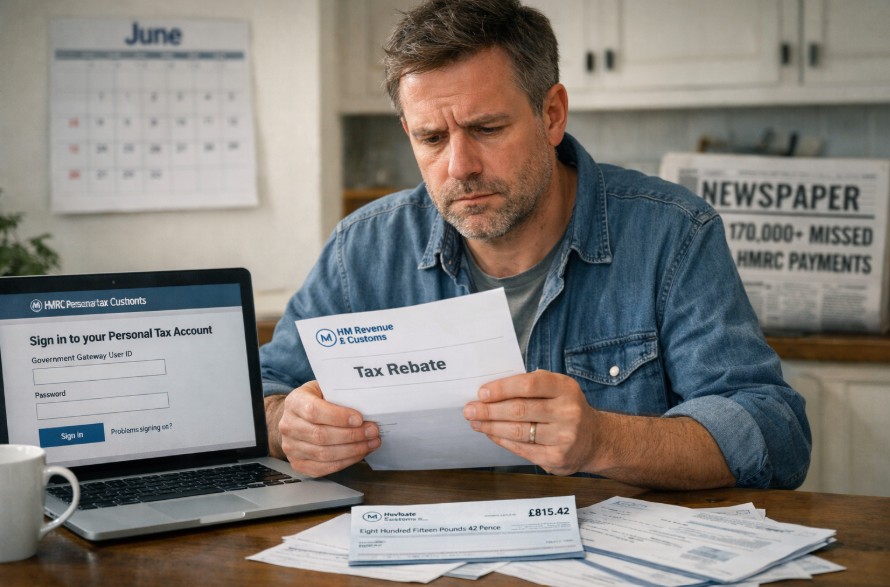
More than 170,000+ UK taxpayers have missed an HMRC tax rebate worth an average of £800 because their refund cheques were never cashed.
According to recent figures, HMRC issued 1,746,720 cheques last year, but 178,180 remained unclaimed, leaving £144 million sitting with the tax authority.
If you have changed jobs, paid the wrong tax code, started receiving a pension or moved home recently, there is a chance you could be owed money too.
Key facts you need to know:
- 170,000+ people missed an HMRC refund last year
- The average missed payment was around £800
- Most refunds now come through bank transfer rather than cheque
- Uncashed cheques can still be replaced in many cases
- You can check your rebate through your Personal Tax Account
Why Have 170,000+ Taxpayers Missed Their HMRC Tax Rebate?

The main reason so many people missed their HMRC tax rebate is that the repayment system still relied heavily on paper cheques.
Until recently, HMRC sent a P800 letter informing taxpayers they were owed money. If no reply was received within 21 days, a cheque was automatically posted to the address on file.
Unfortunately, many of those cheques were never cashed. Some were sent to old addresses, others were ignored, while many taxpayers simply did not realise the letter was genuine.
The figures show the scale of the problem:
| HMRC Refund Data 2025 | Number |
| Refund cheques issued | 1,746,720 |
| Cheques not cashed | 178,180 |
| Total value left unclaimed | £144 million |
| Average missed rebate | £800 |
Robert Salter, partner at Blick Rothenberg, criticised the current process, saying:
“It is certainly a bit problematic that HMRC continues to use cheques to settle tax refunds in so many cases.”
The missed HMRC tax rebate issue has become more noticeable because many people now expect digital payments and rarely use paper cheques.
What Is Causing HMRC Tax Refund Cheques to Go Unclaimed?
Several factors are contributing to unclaimed tax refund cheques. The most common issue is outdated contact details. If HMRC has an old address on file, your cheque may be sent to the wrong place.
Other common causes include:
- Taxpayers overlooking a P800 letter because they mistake it for junk mail
- Cheques being lost or stolen in the post
- People not cashing the cheque within six months
- Delays caused by moving home or changing banks
- Confusion about whether the refund letter is genuine or a scam
HMRC spokespersons argue that most repayments are now made through bank transfer. One official said:
“The vast majority of PAYE repayments are issued via bank transfer, which is now the default option, and the quickest and most secure way for customers to receive their money.”
Even so, around 20 per cent of taxpayers are still using the older cheque-based system, which HMRC hopes to phase out by April 2027.
Why Are So Many People Owed an HMRC Tax Rebate?
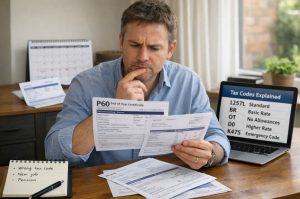
Many people overpay tax during the year without even noticing. In most cases, this happens because HMRC has the wrong information about your income or because your circumstances change and your tax code is not updated quickly enough.
An HMRC tax rebate is issued when you have paid more tax than you actually owe. Once HMRC reviews your PAYE record after the end of the tax year in April, it may identify the overpayment and arrange a refund.
Common Reasons for Tax Overpayments
You could be owed money back from HMRC if any of the following apply to you:
- You changed jobs and were paid by two employers during the same month
- You started drawing a pension while still working
- You had more than one source of income at the same time
- You received Jobseeker’s Allowance or Employment and Support Allowance
- You were placed on an emergency tax code after starting a new role
- You stopped working part-way through the tax year
- You claimed work expenses that had not previously been included in your tax code
These situations often lead to too much tax being deducted before HMRC has time to adjust your records.
Could an Incorrect Tax Code Be the Reason You Are Owed Money?
An incorrect tax code is one of the most common reasons people receive a tax rebate from HM Revenue and Customs. If HMRC assumes you earn more than you actually do, it may deduct too much tax from your salary or pension.
For example, people placed on an emergency tax code after changing jobs can end up overpaying significantly. Once HMRC reviews records after the tax year ends in April, it may identify the error and issue a refund.
I spoke with one worker who experienced this after changing jobs:
“I didn’t realise I was on the wrong tax code for months. When HMRC corrected it, I got back over £600. It was a surprise, but it showed how easy it is to overpay without noticing.”
This shows how simple tax code mistakes can quietly lead to refunds later.
How Does the HMRC Tax Refund Process Work in 2026?
The HMRC refund process begins after the end of the tax year in April. Around June, HMRC reviews PAYE records and sends a P800 letter to anyone who has paid too much tax.
The letter explains how much you are owed and tells you how to claim it. In most cases, you can now request payment directly into your bank account using BACS through your Government Gateway account.
The usual process works like this:
- HMRC identifies that you have overpaid tax
- You receive a P800 letter or digital message
- You log in to your Personal Tax Account
- You choose bank transfer or cheque
- HMRC sends the money
| Refund Method | Typical Processing Time |
| Bank transfer through Personal Tax Account | 5 working days |
| HMRC app repayment | 5–10 working days |
| Paper cheque | 2–6 weeks |
| Replacement cheque request | Up to 6 weeks |
Money Saving Expert has also warned taxpayers to be careful with suspicious messages. HMRC may send a text reminder, but it will never ask for bank details by text or demand payment.
What Should You Do If You Think Your HMRC Tax Rebate Was Missed?

If you think you may have missed an HMRC tax rebate, the first step is to check whether HMRC has already contacted you. Look for any P800 letters or messages in your Government Gateway account.
You should then:
- Log into your Personal Tax Account
- Check the “Income Tax” or PAYE section
- Review whether a refund is waiting to be claimed
- Confirm your current address and bank details
- Contact HMRC if a cheque never arrived
A taxpayer recently shared their experience on a personal finance forum after moving house in late 2024. They discovered that HMRC had sent a cheque for £780 to their previous address.
After contacting HMRC and updating their details, a replacement payment was issued by bank transfer within a week. It shows that many missed rebates can still be recovered if you act quickly.
If you do not have a Government Gateway account, you can create one online in a few minutes.
Can You Still Claim an HMRC Refund If Your Cheque Has Expired?
Yes, you can still claim the money even if your original HMRC cheque has expired. HMRC cheques normally remain valid for six months. After that point, the cheque can no longer be cashed at a bank.
How Long Does an HMRC Refund Cheque Remain Valid?
A refund cheque is usually valid for six months from the date it was issued. Once that period ends, your bank will reject it. However, the rebate itself does not disappear.
HMRC can normally reissue the payment, provided it can still verify the claim. There is technically no strict time limit, although it may become harder to trace older claims after nine years.
Requesting a Replacement HMRC Cheque
To request a replacement, you can contact HMRC online or by telephone. You will usually need:
- Your National Insurance number
- The date of the original cheque
- Your current address and bank details
- A copy of the expired cheque, if you still have it
An HMRC official explained:
“Customers can still request to receive their repayment via cheque and it’s their responsibility to cash it if they choose this method.”
Is HMRC Moving Away from Paper Cheques for Tax Rebates?
HMRC has been reducing the number of cheques it sends for several years. In the 2023–24 tax year, more than 4.1 million cheques were issued. Last year, that figure fell sharply to 1.7 million.
Since 2024, HMRC has introduced a new system that encourages taxpayers to use bank transfer instead. Unless you specifically request a cheque, the default option is now digital repayment.
The move is designed to reduce costs, prevent lost post and make sure taxpayers receive their money faster. However, the transition is not complete. Around one in five taxpayers still remain on the old system.
How Can You Avoid Missing a Future HMRC Tax Refund?

To avoid missing a future HMRC tax rebate, it is important to keep your tax records up to date and respond quickly when HMRC contacts you.
The best ways to avoid future problems include:
- Updating your address whenever you move house
- Checking your tax code regularly on your payslip
- Opening any HMRC letters as soon as they arrive
- Using your Personal Tax Account instead of waiting for a cheque
- Choosing bank transfer rather than paper repayment
- Watching out for scam texts and emails pretending to be HMRC
By taking these steps, you are far less likely to become one of the 170,000+ people who missed a tax refund last year.
What Are the Key Facts About the 170,000+ Missed HMRC Tax Rebates?
The latest HMRC figures reveal a significant issue with the way tax refunds are still being delivered. More than £144 million has gone unclaimed because too many taxpayers never received, noticed or cashed their repayment cheques.
Although HMRC is gradually moving towards digital payments, you should still check whether you have received a P800 letter or have a rebate waiting in your Personal Tax Account.
If you think your HMRC tax rebate was missed, acting now could help you recover money that is rightfully yours.
Conclusion
The HMRC tax rebate missed issue highlights how more than 170,000 people have failed to receive refunds worth around £800 because of outdated cheque-based systems and missed correspondence.
If you have changed jobs, moved home, started a pension or think your tax code may be wrong, it is worth checking whether HMRC owes you money.
Logging into your Personal Tax Account, reviewing any P800 letters and choosing bank transfer instead of a cheque can help you reclaim your refund quickly. Taking action now could ensure you do not miss out on money that is rightfully yours.
FAQs About
How can you check if HMRC owes you money without receiving a letter?
You can log into your Personal Tax Account or HMRC app and check the PAYE or Income Tax section to see whether a refund is available.
When do HMRC P800 letters usually arrive?
P800 letters are generally sent between June and November after the tax year ends in April.
Can pensioners receive an HMRC tax rebate?
Yes. Pensioners often overpay tax if they begin receiving pension income during the year or are placed on the wrong tax code.
How long does an HMRC bank transfer usually take?
Most HMRC bank transfer repayments arrive within five working days after you submit your claim.
What happens if your HMRC refund was sent to an old address?
You should contact HMRC immediately and update your details. A replacement payment can often be issued.
Are HMRC tax rebate text messages genuine or scams?
HMRC may send a reminder text, but it will never ask for personal details, passwords or direct payment through a text message.
Can you reclaim tax from previous years if you missed it?
Yes. In many cases, you can reclaim overpaid tax from previous years, although older claims may take longer to verify.