Royal Mail second-class changes mean that from May 2026, Saturday deliveries will be removed and second-class letters will be delivered every other weekday, with a target of arrival within three working days.
This reform, introduced following Ofcom’s review of the Universal Service Obligation, is designed to reflect declining letter volumes while improving delivery reliability across the UK.
Key takeaways:
- Second-class deliveries will no longer take place on Saturdays
- Mail will be delivered on alternate weekdays instead of daily
- A three-day delivery target will apply to second-class post
- First-class letters will continue six days a week
- Parcel deliveries remain unchanged and operate up to seven days
- Full rollout of the changes is expected by December 2026
What Are the Royal Mail Second-Class Changes Coming in 2026?

Royal Mail second-class changes introduce a fundamental shift in how non-urgent mail is handled across the United Kingdom.
From May 2026, second-class letters will no longer be delivered on Saturdays, and instead, deliveries will follow an every-other-weekday pattern from Monday to Friday.
This reform is part of a broader update to the Universal Service Obligation, which has historically ensured six-day letter deliveries nationwide.
The changes are designed to reflect how communication habits have evolved. With fewer letters being sent each year, maintaining a daily delivery structure for all mail types has become increasingly inefficient.
As a result, second-class post, which is typically used for non-urgent communication, is being repositioned as a slower but more structured service.
Under the revised model, Royal Mail aims to deliver second-class letters within three weekdays. This shift is supported by new regulatory targets introduced by Ofcom to improve consistency and reliability.
The changes will not be implemented all at once. Instead, they will be gradually introduced across delivery offices, allowing time for operational adjustments and public adaptation.
Why Is Royal Mail Scrapping Saturday Second-Class Deliveries?
The decision to remove Saturday second-class deliveries is part of a broader effort to modernise postal operations and align them with current usage patterns across the UK.
Falling demand for traditional mail has made it increasingly difficult to justify maintaining the same delivery frequency for non-urgent letters.
Decline in Letter Volumes in the UK
The volume of letters sent across the UK has been steadily declining over the past decade. Digital communication methods such as email, messaging platforms, and online billing have replaced many traditional uses of postal services. As a result, the demand for daily letter deliveries has reduced significantly.
Royal Mail has reported that letter volumes have dropped by more than half compared to previous decades. This trend has made it increasingly difficult to justify the cost and logistics of maintaining a six-day delivery schedule for all types of mail.
Key contributing factors include:
- Increased use of digital billing and statements
- Growth of instant messaging and email communication
- Shift towards online document sharing
Ofcom’s Role in Postal Service Reform
Ofcom carried out a comprehensive consultation process involving businesses, consumer groups, and postal workers before approving the reforms. The objective was to ensure that any changes would balance affordability with service reliability while maintaining nationwide coverage.
The regulator concluded that reducing second-class delivery frequency would not significantly impact most users, provided that reliability targets were improved. This approach allows Royal Mail to modernise its operations without compromising essential services.
Cost Efficiency and Sustainability Goals
Operational costs for postal services are heavily influenced by delivery frequency. Reducing the number of delivery days for second-class mail allows Royal Mail to streamline routes, optimise staffing, and reduce fuel consumption.
A logistics analyst explained the reasoning behind the reform: “When delivery routes are planned around lower volumes, running them daily becomes inefficient. Consolidating second-class deliveries improves load balancing and helps maintain service standards across the network.”
These changes are also aligned with environmental goals, as fewer delivery rounds contribute to reduced emissions and a smaller carbon footprint.
How Will the New Second-Class Delivery Schedule Work?
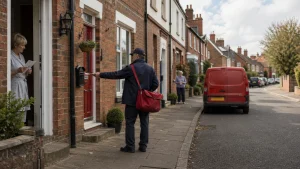
The updated delivery structure introduces a more organised approach to handling second-class mail, focusing on efficiency and consistency rather than daily frequency.
Instead of receiving second-class post every day, deliveries will follow a set alternating weekday pattern to better manage volumes and improve reliability.
Every-Other-Weekday Delivery Explained
The new delivery model introduces a structured schedule where second-class letters are delivered on alternate weekdays. This means that households and businesses will receive second-class mail less frequently, but in a more predictable pattern.
Instead of spreading deliveries thinly across six days, Royal Mail will group mail volumes into specific delivery days. This improves efficiency and ensures that postal workers can manage workloads more effectively.
Expected Delivery Timeframes
The updated service aims to deliver second-class mail within three working days. This aligns with revised performance benchmarks set by Ofcom. While delivery may not be as fast as first-class services, the focus is on consistency and reliability.
Rollout Timeline Across UK Delivery Offices
The transition to the new system will take place in stages. Initially, around 240 delivery offices will pilot the updated model. This phase will allow Royal Mail to test logistics, identify challenges, and make necessary adjustments.
Following the pilot phase, the changes will be expanded to approximately 1,200 delivery offices across the UK. Full implementation is expected by December 2026.
| Phase | Number of Offices | Timeline |
| Pilot Phase | 240 | Early 2026 |
| Expansion Phase | 1,200 | Mid 2026 |
| Full Implementation | Nationwide | December 2026 |
When Will You Receive Your Second-Class Mail Under the New Changes?
The revised schedule introduces a predictable delivery pattern based on the day a letter is posted. This structured approach helps users understand when to expect their mail.
| Day of Posting | Expected Delivery Day |
| Monday | Thursday |
| Tuesday | Friday |
| Wednesday | Monday |
| Thursday | Tuesday |
| Friday | Wednesday |
| Saturday | Thursday |
| Sunday | Thursday |
Example Delivery Timeline
This delivery cycle ensures that most second-class letters arrive within three working days. While the absence of Saturday deliveries may initially seem inconvenient, the consistency of the schedule helps offset this change.
Practical Implications for Users
For individuals, this means adjusting expectations when sending or receiving non-urgent mail. Planning ahead becomes more important, especially for time-sensitive documents that do not require first-class delivery.
A small business owner described the adjustment process: “We used to rely on daily second-class deliveries for customer communication. Now we schedule everything earlier in the week to align with the new delivery pattern, which has made our operations more organised.”
What Changes Are Being Made to Royal Mail’s Universal Service Obligation?

The Universal Service Obligation is being updated to reflect modern mailing habits while maintaining nationwide access to postal services.
A key part of this reform is the adjustment to how often second-class letters are delivered, shifting away from the traditional six-day schedule.
Key Updates to Delivery Frequency
The Universal Service Obligation is being updated to reflect modern communication needs. While it previously required six-day deliveries for all letters, the revised version allows for reduced frequency for second-class mail.
This change ensures that the obligation remains relevant without placing unnecessary strain on the postal system.
New Reliability and Performance Targets
Ofcom has introduced updated delivery targets to improve service consistency. These targets focus on both speed and reliability.
| Service Type | Delivery Target | Reliability Target |
| First Class | 90 percent next day | 99 percent within 3 days |
| Second Class | 95 percent within 3 days | 99 percent within 5 days |
These benchmarks aim to ensure that even with fewer delivery days, the overall service quality improves.
CWU Agreement and Implementation Plan
Royal Mail has worked closely with the Communication Workers Union to agree on how these changes will be implemented. The agreement covers staffing, route planning, and workload distribution.
This collaboration is essential for ensuring that the transition is smooth and that employees are supported throughout the process.
What Services Will Stay the Same Despite These Changes?
Despite the introduction of royal mail second-class changes, several important services will continue without alteration. These elements provide stability and ensure that essential postal functions remain accessible.
- First-class letters will still be delivered six days a week
- The one-price-goes-anywhere service remains unchanged
- Parcel deliveries will continue up to seven days a week
| Service | Current Status | After 2026 |
| First Class Letters | 6 days delivery | No change |
| Second Class Letters | 6 days delivery | Reduced frequency |
| Parcels | Up to 7 days | No change |
| Pricing Structure | Nationwide uniform | No change |
These consistent services help balance the impact of reduced second-class delivery frequency.
How Will These Royal Mail Second-Class Changes Affect UK Households and Businesses?
These changes are expected to influence how both individuals and organisations plan and manage their everyday mail.
For households, the reduced frequency of second-class deliveries will be the most noticeable adjustment in daily postal routines.
Impact on Personal Mail
For households, the most noticeable change will be the reduction in delivery days for second-class letters. This may affect how people manage bills, official correspondence, and personal communication.
However, since many essential services have already moved online, the overall impact is expected to be manageable for most individuals.
Impact on Businesses and Bulk Mail
Businesses that rely on bulk mail services will need to adjust their operations. Items such as invoices, statements, and promotional materials may require earlier dispatch to meet deadlines.
| Business Activity | Previous Approach | New Approach |
| Sending invoices | Daily dispatch | Scheduled dispatch |
| Marketing mail | Flexible timing | Planned campaigns |
| Customer communication | Reactive | Proactive planning |
A retail operations manager shared their perspective: “The change forces businesses to be more deliberate. We now batch our communications and align them with delivery days, which has actually improved our internal processes.”
Adjusting to New Delivery Expectations
Adapting to the new system involves understanding delivery patterns and planning accordingly. Both individuals and organisations can benefit from aligning their mailing habits with the updated schedule.
Are Parcels and First-Class Deliveries Affected by These Changes?
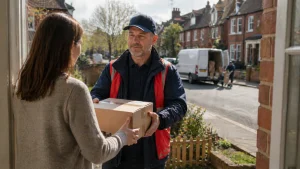
The royal mail second-class changes do not significantly impact parcels or first-class mail. These services continue to operate under existing delivery standards.
First-class mail remains the fastest option, with next-day delivery available six days a week. Parcel services, which have seen increased demand due to e-commerce growth, will continue to be delivered up to seven days a week.
| Service Type | Delivery Speed | Frequency |
| First Class Letters | Next day | 6 days a week |
| Second Class Letters | Up to 3 days | Alternate weekdays |
| Parcels | Variable | Up to 7 days |
This separation ensures that customers who require faster or more flexible delivery options can still access them without disruption.
What Do These Changes Mean for the Future of UK Postal Services?
The introduction of royal mail second-class changes reflects a broader transformation within the postal industry. As communication habits evolve, service providers must adapt to remain efficient and sustainable.
The focus is shifting from frequency to reliability. Instead of delivering mail every day regardless of volume, the system is being redesigned to ensure that deliveries are consistent and predictable.
In the long term, these changes are expected to support the financial stability of Royal Mail while maintaining nationwide service coverage. By aligning operations with current demand, the organisation can continue to provide essential services without compromising quality.
The reforms also highlight the importance of balancing tradition with innovation. While the postal service remains a vital part of UK infrastructure, it must evolve to meet the needs of a digital-first society.
Conclusion
The royal mail second-class changes represent a significant shift in the UK’s postal system, with Saturday deliveries removed and weekday delivery frequency reduced.
While this may require adjustment for many users, the changes are designed to improve reliability and sustainability.
By aligning delivery practices with modern communication trends, Royal Mail aims to continue providing a dependable service across the UK.
For most users, understanding the new schedule and planning accordingly will be key to adapting smoothly.
FAQs
Will second-class stamps still be valid after 2026?
Yes, second-class stamps will remain valid. The changes only affect delivery schedules, not the usability of existing postage.
Can I upgrade from second class to first class after posting?
No, once a letter has been posted using second-class postage, it cannot be upgraded. You would need to repost it with the correct service.
How will missed deliveries be handled?
Missed deliveries will continue to follow the same process, with redelivery options or collection options available depending on the item type.
Will rural areas face longer delays?
Delivery targets apply nationwide, but rural areas may experience slight variations depending on logistics and accessibility.
Are postal prices expected to increase?
While these changes focus on delivery frequency, pricing is reviewed separately and may change based on operational costs and market conditions.
How can businesses adapt to these changes?
Businesses can adjust mailing schedules, plan communications earlier, and consider alternative delivery options for urgent correspondence.
Is tracked second-class delivery affected?
Tracked services may operate differently from standard second-class mail, so it is advisable to check specific service details when sending important items.